Author: Inqodo

  • SaaS Development Process: A Step-by-Step Guide for Success

    SaaS Development Process: A Step-by-Step Guide for Success

    Most SaaS projects don’t fail because of bad code. They fail because nobody treated development as a series of deliberate decisions — each one testable, each one reversible. The SaaS development process isn’t a checklist you follow blindly. It’s a framework that keeps you from building the wrong thing perfectly. This guide walks through every stage of the SaaS development process, from validating the idea to scaling post-launch, with the kind of specificity that actually helps you ship.

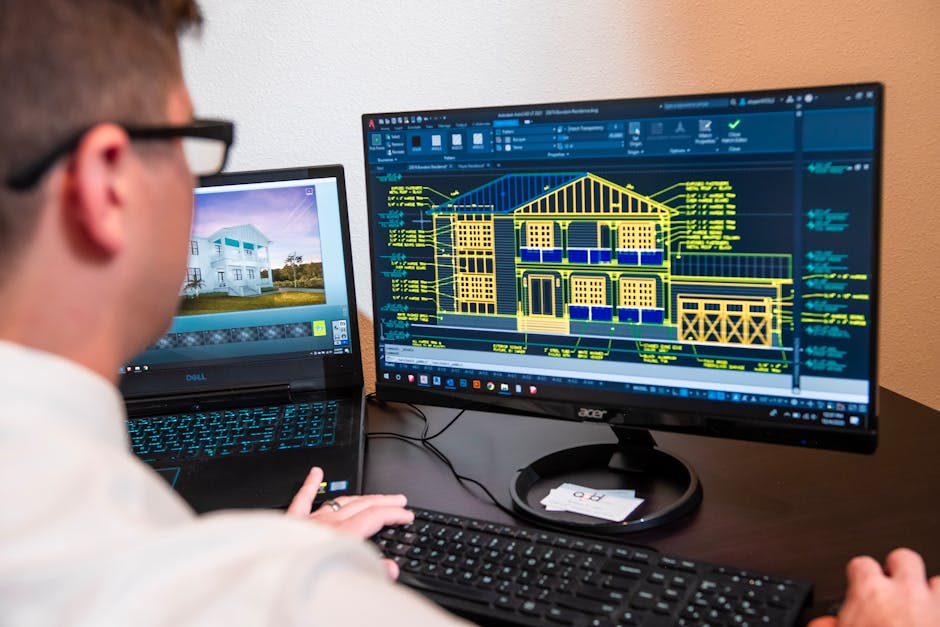
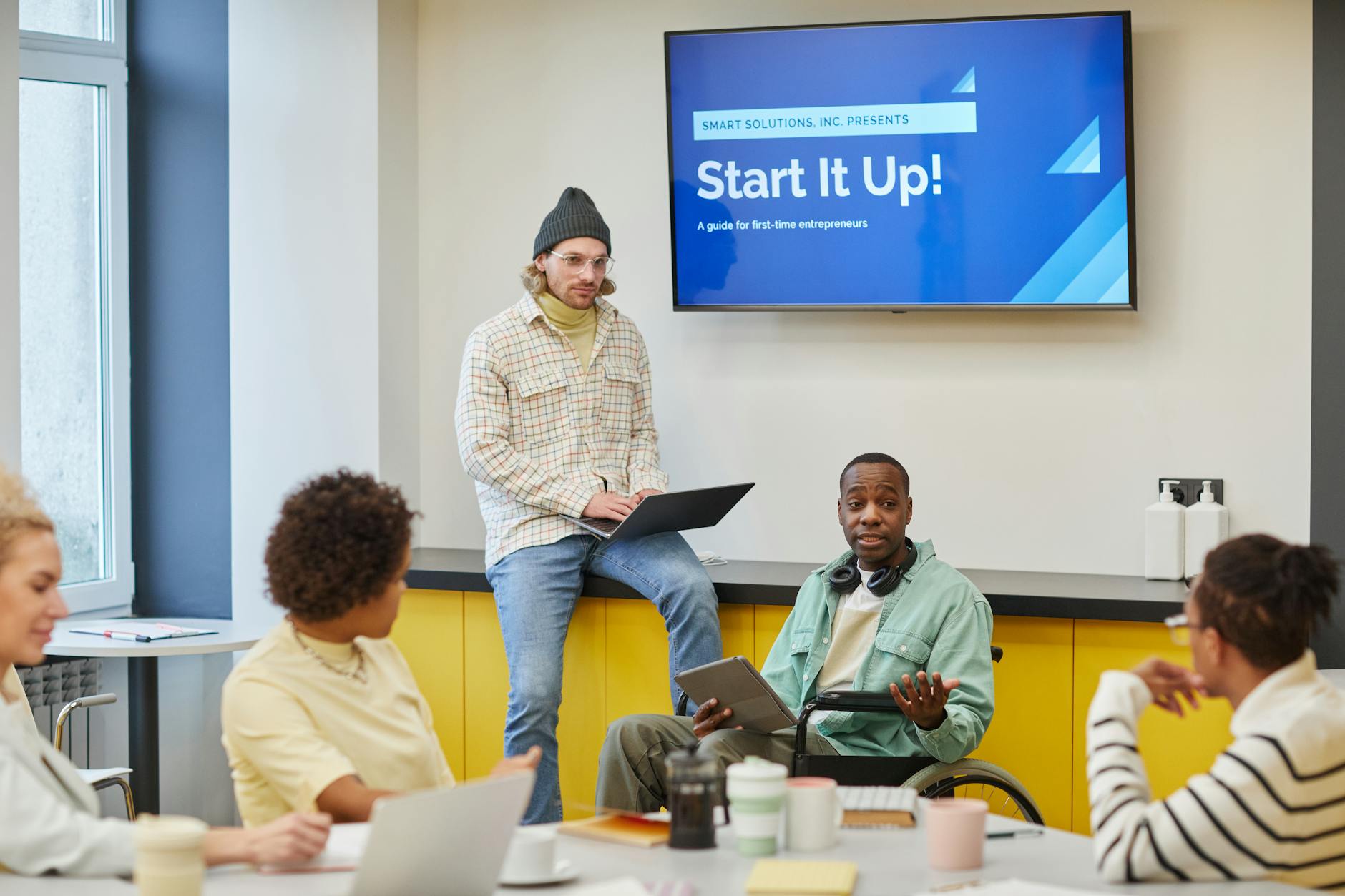
    Diverse team collaborating on a software project in a contemporary office setting.

    Stage 1: Ideation and Market Research

    An idea without validation is just an expensive guess. Before you write a line of code, you need to know three things: who has the problem, whether they’ll pay to solve it, and whether you can reach them.

    Start with competitor research. Not to copy — to understand what already exists and where it’s weak. Use tools like SimilarWeb or BuiltWith to see what tech stack competitors use, how much traffic they get, and where their users come from. Look at their pricing pages. Read their support forums. The complaints are free product research.

    Then talk to potential users. Not a survey — actual conversations. Ask what they’re using now, what frustrates them, and what they’ve tried to fix it. If they’re not frustrated enough to have tried something, they won’t pay for yours.

    The output of this stage should be a one-sentence description of the problem and the person who has it. If you can’t write that sentence, you’re not ready to build. Most founders skip this and realise six months in that they built for the wrong persona. MVP development for startups starts here, not in the code editor.

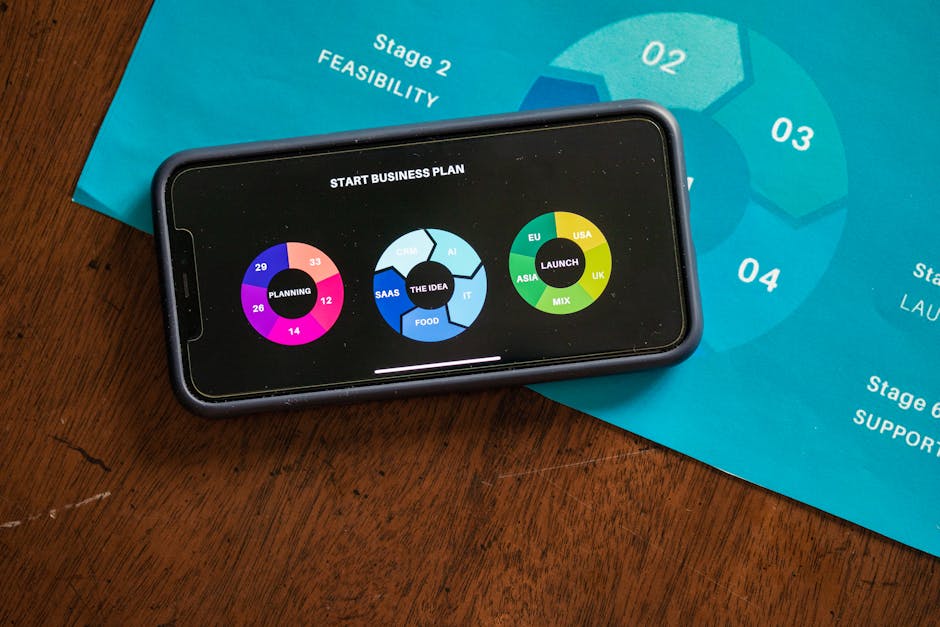
    A neat workspace featuring a sketchpad with wireframes, a smartphone, and a keyboard on a wooden desk.

    Stage 2: Planning and Requirements Definition for SaaS Development

    This is where most projects go wrong. Founders confuse a feature list with a plan. A plan answers: what is the smallest thing that proves this idea works?

    Write down every feature you think you need. Then cut it in half. Then cut it in half again. What’s left is your MVP. If your MVP has user roles, admin dashboards, analytics, integrations, and a mobile app, it is not an MVP — it’s three products pretending to be one.

    Define your core workflow. One user, one problem, one solution. If you’re building project management software, the core workflow might be: create a task, assign it, mark it done. Everything else — notifications, file uploads, time tracking — comes later, after you know people will use the core thing.

    Write user stories in this format: “As a [role], I want to [action] so that [outcome].” Not “the system shall allow users to” — that’s spec document language, and it leads to bloat. User stories force you to think about why a feature exists.

    Scope it properly before pricing it. We’ve seen founders get quotes that vary by £40,000 for the same brief because nobody defined what “dashboard” or “reporting” actually meant. At Inqodo, we scope during the first conversation. If we can’t give you a rough price after 30 minutes, that’s on us.

    A developer writing code on a laptop, displaying programming scripts in an office environment.

    Stage 3: UI/UX Design and Prototyping

    Design is not how it looks. Design is whether someone can use it without reading a manual. A beautiful interface that confuses users is a failure.

    Start with wireframes — low-fidelity sketches that show layout and flow. Tools like Figma or Excalidraw work. The goal is to test the logic of the interface before you commit to visual design. Can a user complete the core workflow in three clicks or fewer? If not, rethink the flow.

    Then move to high-fidelity mockups. This is where you define colours, typography, spacing, and component behaviour. Use a design system if you can — Material Design or Tailwind UI are solid starting points. Custom design is expensive and rarely worth it for an MVP.

    Prototype the key interactions. A clickable prototype in Figma lets you test whether users understand the flow before you build it. Show it to five people. If three of them get stuck in the same place, that’s not a user problem — it’s a design problem.

    Design handoff should include component specs, spacing rules, and interaction states (hover, active, disabled, error). Developers shouldn’t have to guess. A good design file has annotations. A great one has a design system.
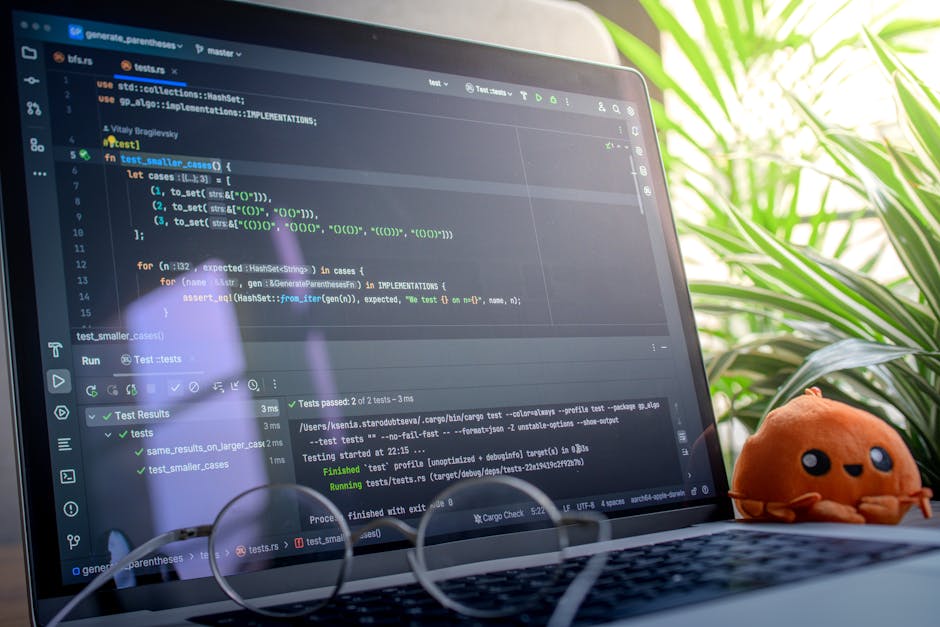
    Open laptop displaying code next to a plush toy, set in a bright room with plants.

    Stage 4: Development and Technical Implementation

    This is where the plan becomes a product. Development should be iterative — build one feature, test it, then build the next. Waterfall development (build everything, then test everything) is how you end up rebuilding half the product in month four.

    Pick a stack that matches your team’s skills and your product’s needs. For most SaaS products, Next.js and Supabase are a strong default — fast to build with, easy to scale, and well-documented. If you’re adding AI features, Claude’s API is predictable and transparent, which matters when you’re building something a business depends on.

    Set up version control (Git), a staging environment, and a CI/CD pipeline from day one. Deploying manually is fine for a weekend project. For a SaaS product, it’s a liability. Use Vercel or Railway — both handle deploys automatically when you push code.

    Build authentication and billing early. Not because they’re exciting — because they’re foundational. If you wait until the end to add Stripe or user roles, you’ll be refactoring half your app to make them work. We integrate auth and billing in week one of every project.

    According to the Standish Group’s CHAOS Report, the average software project runs 45% over budget and 7% over time — most often because scope wasn’t fixed before development started.

    Write tests for critical paths. Not every function needs a test, but your signup flow, payment processing, and data exports do. A bug in your homepage is annoying. A bug in your billing logic is a legal problem.

    Diverse coworkers celebrate success by throwing papers in modern office setting.

    Stage 5: Testing, Deployment, and Launch

    Testing is not something you do at the end. It’s something you do continuously. But pre-launch testing is where you catch the things that would embarrass you in front of real users.

    Run functional tests on every user-facing feature. Can a user sign up, log in, complete the core workflow, and log out? Test on multiple browsers (Chrome, Safari, Firefox) and devices (desktop, mobile, tablet). A form that works on Chrome desktop and breaks on mobile Safari is a half-finished form.

    Load test if you expect traffic spikes. Tools like Artillery or k6 let you simulate 1,000 concurrent users and see where your app breaks. Most MVPs don’t need this. If you’re launching with press coverage or a Product Hunt feature, you do.

    Security audit the basics: SQL injection protection, CSRF tokens, rate limiting on API endpoints, and proper authentication checks. Run your app through OWASP’s checklist. If you’re handling payment data, make sure you’re PCI compliant (or use Stripe, which handles this for you).

    Deploy to production at least 48 hours before launch. This gives you time to catch DNS issues, SSL certificate problems, or environment variable misconfigurations. Launching and deploying on the same day is how you spend launch day fixing server errors instead of talking to users.

    Check out our SaaS product launch checklist for a full breakdown of what to verify before you go live.
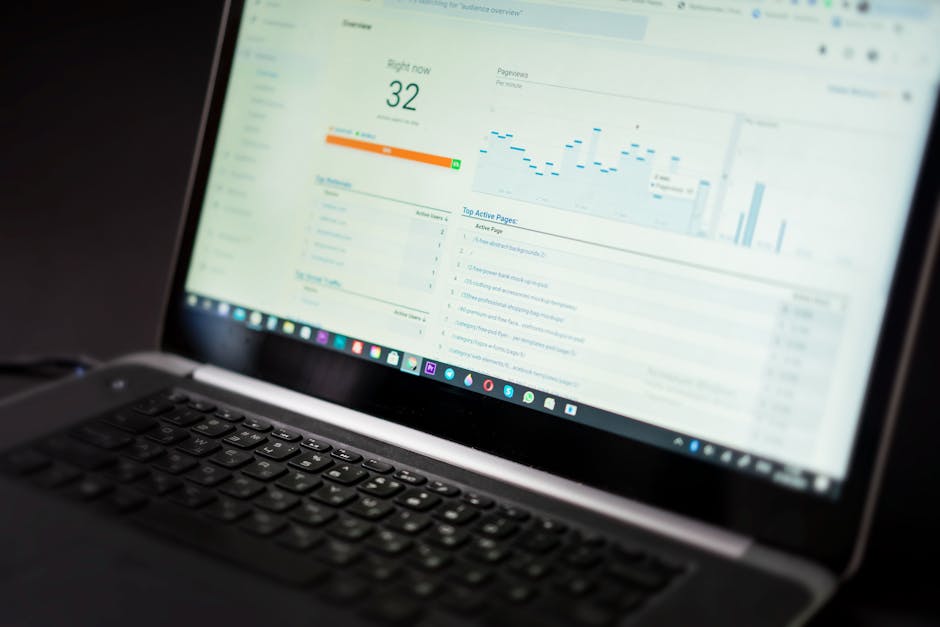
    A laptop displaying an analytics dashboard with real-time data tracking and analysis tools.

    Stage 6: Post-Launch Monitoring and Iteration

    Launch is not the finish line. It’s the start of the real work. The first 30 days post-launch tell you whether you built the right thing.

    Set up analytics before launch. Google Analytics or Plausible for traffic. Hotjar or Microsoft Clarity for session recordings. PostHog or Mixpanel for event tracking. You need to know: where users drop off, which features they use, and which ones they ignore.

    Monitor errors in real time. Use Sentry or LogRocket to catch JavaScript errors and server exceptions as they happen. If your app throws an error for 10% of users and you don’t know about it until someone emails you, you’ve already lost those users.

    Talk to your first 20 users. Not a survey — actual calls. Ask what they expected, what confused them, and what they wish it did. Early users are forgiving if you’re responsive. They’re gone forever if you ignore them.

    Ship updates weekly for the first month. Not big features — fixes and small improvements based on what you’re seeing in the data and hearing in conversations. A product that improves visibly every week feels alive. A product that stays static for a month feels abandoned.

    Plan your roadmap based on usage data, not opinions. If 80% of users never touch a feature, don’t build more like it. If 90% of users hit a friction point in the same place, that’s your next sprint.

    Cost, Timeline, and Team Considerations

    Most guides skip this part. We won’t. A SaaS development process is useless if you don’t know what it costs or how long it takes.

    A typical MVP timeline is 4–6 weeks if the scope is clear and the team is focused. That assumes you’re building one core workflow, not a full-featured product. If someone quotes you 12 weeks for an MVP, ask what they’re building — it’s probably not an MVP.

    Cost depends on scope. At Inqodo, MVPs start from $2,000 for a single workflow product that proves the idea. A full MVP with auth, billing, and 3–4 core features typically runs $8,000–$15,000. If you’re adding AI features, complex integrations, or multi-tenancy, expect more. Read our full cost breakdown for building a SaaS product.

    Team roles matter. A solo developer can build an MVP. A scalable SaaS product needs a frontend developer, a backend developer, and a designer. Trying to save money by skipping design is how you end up with a product that works but nobody wants to use.

    Monetization strategy should be decided before launch. Will you charge per user, per feature tier, or usage-based? Stripe supports all three, but your pricing model affects your product architecture. Usage-based billing requires metering. Tiered pricing requires feature flags. Decide early.

    Legal and compliance basics: if you’re handling EU users, you need GDPR compliance (cookie consent, data export, right to deletion). If you’re in healthcare or finance, expect additional regulations. Budget for legal review — it’s cheaper than a lawsuit.

    Ready to Start Your SaaS Development Process?

    Building a successful SaaS product requires more than following steps — it requires a partner who understands the entire development process from validation to scale. At Inqodo, we’ve helped dozens of founders turn ideas into profitable SaaS products. We handle the technical complexity so you can focus on your users. Book a free consultation today and let’s build something that works.

  • Is SaaS Being Replaced by AI? Exploring the Future

    Is SaaS Being Replaced by AI? Exploring the Future

    Is SaaS being replaced by AI? No. SaaS is not being replaced by AI. It is being rebuilt by it. Traditional SaaS companies that treat AI as a feature bolted onto an existing product will struggle. Those that redesign their architecture, pricing, and user experience around AI will dominate the next decade. The question is not whether SaaS survives — it is which SaaS companies adapt fast enough.

    The shift is already happening. AI agents are replacing manual workflows, consumption-based pricing is replacing per-seat models, and agentic architectures are replacing static interfaces. IDC predicts that by 2028, 70% of SaaS vendors will have restructured their pricing models due to AI. This is not speculation. It is observable in how companies like Salesforce, HubSpot, and newer AI-native startups are building today.

    We build AI SaaS products at Inqodo. We have seen founders come to us with Custom GPTs that work but cannot scale, and we have rebuilt them into proper SaaS platforms with auth, billing, and multi-tenancy. The difference between a useful AI tool and a sellable AI SaaS product is not the model — it is the product around it.

    Close-up of a computer screen displaying ChatGPT interface in a dark setting.

    Is SaaS Being Replaced by AI Agents in Traditional Interfaces?

    Most SaaS products today require users to log in, click through menus, fill out forms, and manually execute workflows. AI agents remove that friction. Instead of a user opening a dashboard to generate a report, the agent generates the report when it detects the need — no login, no clicks.

    This is not theoretical. Companies like Adept and Dust are building agents that interact with existing SaaS tools on behalf of users. Salesforce has launched Einstein Copilot to automate CRM tasks. HubSpot is embedding AI agents into its marketing workflows. The interface is no longer a screen — it is a conversation or an automated trigger.

    The implication for SaaS companies is stark. If your product’s value is in the interface — the dashboard, the analytics view, the form builder — an AI agent can replicate that experience without your product. The defensible value is in the data, the integrations, and the workflows your product enables. The UI is now the least important part.

    For founders building new SaaS products, this means designing for agents from the start. Your product should have an API-first architecture, structured data outputs, and the ability to be triggered programmatically. If a user needs to log in to get value, you have built a legacy product in 2025.

    Three mature professionals in a business meeting discussing and signing documents in an office setting.

    Pricing Models Are Shifting From Per-User to Consumption-Based

    The per-seat pricing model made sense when SaaS products were used by humans clicking through interfaces. You paid for each user who logged in. AI agents break that model. An agent does not log in. It executes thousands of tasks per day on behalf of one user. Charging per seat no longer reflects the value delivered.

    Consumption-based pricing is the replacement. You pay for what the AI does — API calls, documents generated, workflows executed, outcomes achieved. OpenAI charges per token. Anthropic charges per input and output token. SaaS companies are following. Salesforce is experimenting with outcome-based pricing for Einstein. HubSpot is testing usage tiers for AI features.

    This shift is not just technical — it is financial. Per-seat pricing was predictable. Consumption-based pricing is variable. SaaS companies that rely on recurring revenue multiples for valuation will need to prove that consumption scales predictably. Investors are already asking for unit economics on AI features separately from legacy product revenue.

    For founders, this means rethinking how you price from day one. If your product uses AI to automate work, price it based on the work done, not the number of people using it. If you are building an MVP development strategy, test pricing models early. Usage-based billing is harder to implement than seat-based billing, and you need to know your unit costs before you scale.

    An architect reviews detailed house designs on dual monitors in a modern office setting.

    AI-Native SaaS Architectures and the Future of Software Design

    Traditional SaaS products were built around databases, user authentication, and CRUD operations. AI-native SaaS products are built around models, prompts, and inference pipelines. The architecture is fundamentally different.

    An AI-native product does not just add a chatbot to an existing app. It redesigns the core workflows around what AI can do. At Inqodo, we built a platform for a founder who had validated demand with a Custom GPT. The GPT worked, but it could not handle multiple users, store conversation history, or integrate with third-party APIs. We rebuilt it as a SaaS product with proper auth, billing, and model orchestration using Claude. The architecture was designed for AI from the start — not retrofitted.

    The technical components of an AI-native SaaS product include prompt management, model version control, fallback logic when the model fails, and structured output parsing. These are not features you bolt on. They are the product. If your architecture treats AI as a microservice that gets called occasionally, you have not built an AI-native product.

    For technical founders, this means choosing your stack carefully. Next.js and Supabase work well for AI SaaS because they handle auth and data storage while leaving the AI layer flexible. Avoid frameworks that lock you into a specific model provider. The best model today might not be the best model in six months.

    Person holding a notebook with planning details and graph for business strategy indoors.

    Real-World Transitions From Legacy SaaS to AI-First

    Most SaaS companies are not starting from scratch. They have existing products, existing customers, and existing revenue. The question is how to transition without breaking what already works.

    Salesforce is a useful case study. They did not replace their CRM with an AI agent. They embedded Einstein into existing workflows — lead scoring, email drafting, pipeline forecasting. Customers who want the traditional interface still have it. Customers who want AI augmentation can enable it. The product evolved without forcing a migration.

    Notion took a similar approach. They added Notion AI as an optional feature within the existing editor. Users who want to write manually still can. Users who want AI assistance have it in the same interface. The architecture underneath changed — they integrated language models and prompt engineering — but the user experience remained familiar.

    The lesson for smaller SaaS companies is that you do not need to rebuild everything at once. Start with one workflow that AI can improve. Validate that customers will pay for it. Then expand. We recommend this approach to founders who already have a working product and want to add AI. Rip-and-replace is expensive and risky. Incremental integration is survivable.

    For more on managing the SaaS development process step-by-step during a transition, start with the workflows that have the highest manual effort and the most predictable inputs. Those are the easiest to automate and the fastest to show ROI.

    Wooden letter tiles form the word 'Security' amidst scattered tiles on wood.

    Regulatory and Ethical Challenges of AI Agents in Enterprise

    AI agents that act autonomously on behalf of users introduce risks that traditional SaaS products do not. If an agent sends an email, who is liable for the content? If an agent makes a purchasing decision, who approved it? If an agent processes customer data, is that compliant with GDPR?

    Enterprise buyers are asking these questions before they adopt AI SaaS products. They want audit trails, approval workflows, and the ability to override agent decisions. They want to know where the data is stored, which model is being used, and whether the model was trained on their proprietary data.

    SaaS companies that ignore these concerns will not win enterprise contracts. The ones that build compliance into the product from the start will. This means logging every agent action, providing explainability for AI decisions, and offering on-premise or private cloud deployment options for customers who cannot send data to third-party APIs.

    For founders building AI SaaS for enterprise, this is not optional. You need a data processing agreement, a subprocessor list, and a security questionnaire ready before your first enterprise sales call. If you are using OpenAI or Anthropic APIs, you need to disclose that. If you are fine-tuning models on customer data, you need explicit consent.

    By 2028, 70% of SaaS vendors will have restructured their pricing models due to AI adoption, according to IDC research on software market transformation.

    Hands organizing business documents and pricing formula papers on an office desk.

    Cost-Benefit Analysis for SMBs vs Enterprises

    AI SaaS products cost more to build and run than traditional SaaS products. Every API call to a language model costs money. Every inference request adds latency. For SMBs with tight margins, this matters. For enterprises with complex workflows, the ROI is obvious.

    A small business using an AI SaaS tool to generate marketing copy might pay $50 per month and save 10 hours of work. That is a clear win. An enterprise using an AI agent to automate contract review might pay $5,000 per month and save 200 hours of legal work. That is also a clear win. The economics work at both ends — but the pricing and packaging need to match the customer.

    At Inqodo, we price AI SaaS projects based on the scope of automation and the expected usage volume. A product that generates 100 documents per month has different infrastructure costs than one that generates 10,000. Founders need to model their unit economics before they scale, or they will find themselves paying more for AI inference than they collect in revenue.

    Ready to build an AI-native SaaS product that’s designed for the future? At Inqodo, we help founders transform AI prototypes into scalable SaaS platforms with proper architecture, pricing models, and go-to-market strategy. Let’s build something that lasts.

  • MVP Development for Startups: The Ultimate Guide

    MVP Development for Startups: The Ultimate Guide

    In the competitive landscape of startups, the journey from an idea to a viable product can be daunting. For many founders, the concept of creating a Minimum Viable Product (MVP) stands as a beacon of hope. An MVP allows you to test your business hypothesis with the least amount of resources while maximizing your learning and minimizing time to market. If you’re a startup founder or a non-technical entrepreneur in the USA or Europe, this guide will equip you with the essential knowledge and practical steps for effective MVP development.

    What is an MVP and Why is it Important?

    A Minimum Viable Product is a version of your product that includes only the core features necessary to solve the primary problem for your target audience. The importance of an MVP lies in its ability to validate your business idea before committing substantial resources. It allows you to:

    • Gather user feedback to iterate on features.
    • Reduce development costs and time.
    • Test the market demand with real users.

    According to a Statista study, about 90% of startups fail, and one of the primary reasons is that they build products that do not meet market needs. An MVP helps mitigate this risk.

    Defining Your MVP: Core Features and User Stories

    The first step in MVP development for startups is defining what features are essential. Start by identifying your target audience and the primary problem your product solves. Create user stories to illustrate how users will interact with your product.

    Example: If your startup is developing a fitness app, user stories might include:

    • As a user, I want to track my workouts so that I can monitor my progress.
    • As a user, I want to receive workout recommendations based on my fitness level.

    Focus on the features that directly address these stories. Remember, the goal is to build a product that provides value to users without unnecessary complexity.

    Choosing the Right Technology Stack

    When it comes to MVP development, selecting the appropriate technology stack is crucial. You want to choose tools and platforms that allow for rapid development while ensuring scalability. Consider the following:

    • Frontend: Frameworks like React or Vue.js enable dynamic interfaces.
    • Backend: Use Node.js or Ruby on Rails for quick server-side development.
    • Database: Consider using PostgreSQL or MongoDB for flexible data management.

    Use services like SaaS cost calculator to estimate your budget based on your technology choices.

    Development Timeline: What to Expect

    One of the most common queries among startup founders is how long it takes to build an MVP. On average, the MVP development process can take anywhere from 6 to 12 weeks. However, this timeline can vary based on:

    • The complexity of features.
    • The size of your development team.
    • Your familiarity with the technology stack.

    For example, a simple MVP might take about 6 weeks, whereas a more complex one could extend to 3 months or more. These timelines are crucial for planning your launch strategy and securing initial funding.

    Testing and Iteration: The Feedback Loop

    Once your MVP is live, the real work begins. Gathering user feedback is essential for iterating on your product. Utilize tools like surveys, user interviews, and analytics to understand how users interact with your MVP.

    Best Practices:

    • Set up clear metrics for success (e.g., user engagement, conversion rates).
    • Engage with users to gather qualitative feedback.
    • Prioritize feature requests based on user needs and business goals.

    This iterative process helps refine your product based on real-world usage, ultimately leading to a more successful launch.

    Budgeting for Your MVP: Realistic Estimates

    Startup founders often face budget constraints, especially when developing an MVP. A realistic budget for MVP development typically ranges from $10,000 to $100,000, depending on the complexity and the team involved. Here’s a breakdown:

    • Development Costs: $5,000 – $50,000
    • Design Costs: $2,000 – $15,000
    • Marketing Costs: $3,000 – $20,000

    It’s important to allocate your budget wisely to cover essential aspects without overspending. For more detailed insights, check out our post on how much it costs to build a SaaS product.

    Ready to Build?

    If you’re ready to take the next step in your startup journey, Inqodo is here to help. We specialize in MVP development and can guide you through the process. Reach out for a free consultation today!

    Frequently Asked Questions

    What is MVP development for startups?

    MVP development for startups refers to the process of creating a Minimum Viable Product that contains only the essential features needed to meet the market demand. It allows startups to validate their business idea with minimal resources.

    How much does it cost to develop an MVP?

    The cost of developing an MVP can range from $10,000 to $100,000. The final cost depends on factors such as complexity, team size, and technology used.

    How long does it take to build an MVP?

    Building an MVP typically takes between 6 to 12 weeks. This timeline can vary based on the complexity of the project and the development team’s experience.

    What are the key features of a successful MVP?

    A successful MVP includes core features that address the primary user problem, a simple design, and the ability to collect user feedback for future iterations.

    Who should use an MVP?

    Startups and entrepreneurs looking to validate their business ideas with minimal investment should consider using an MVP. It’s particularly beneficial for those in the tech industry.

    How can I gather feedback on my MVP?

    Gathering feedback on your MVP can be done through user surveys, interviews, and analytics tools. Engaging with your users directly will provide valuable insights for improvement.

    What are the trade-offs of MVP development?

    The main trade-off in MVP development is balancing speed with quality. While an MVP allows for rapid deployment, it may lack some features or polish found in a fully developed product.

  • How to Build a SaaS Product Without Coding: A Complete Guide

    How to Build a SaaS Product Without Coding: A Complete Guide

    Introduction

    In today’s fast-paced digital landscape, the idea of launching a Software as a Service (SaaS) product feels both exhilarating and daunting, especially for startup founders and non-technical entrepreneurs. The good news? You don’t need to be a coding whiz to bring your SaaS vision to life. In this guide, we’ll explore how to build a SaaS product without coding, leveraging powerful no-code tools and strategies that streamline the process and help you achieve your goals efficiently.

    Understanding the No-Code Movement

    The no-code movement has transformed how entrepreneurs approach product development. It empowers individuals to create fully functioning applications without writing a single line of code. According to a recent report by Statista, the no-code development market is projected to reach $21.2 billion by 2025. This growth highlights the potential of no-code solutions for startups, making them accessible and cost-effective for founders with budgets ranging from $10k to $100k.

    Identifying Your SaaS Idea

    Before diving into the development stage, it’s essential to clearly define your SaaS idea. Consider the following steps:

    • Problem Identification: What problem does your SaaS solution address? Conduct thorough market research to ensure there’s a demand for your idea.
    • Target Audience: Who are your ideal customers? Understanding your audience will shape your product features and marketing strategies.
    • Unique Selling Proposition (USP): What sets your product apart from competitors? Clearly articulate your USP to attract potential users.

    Choosing the Right No-Code Tools

    With a clear idea in hand, the next step is selecting the right no-code tools that suit your needs. Here are some popular platforms:

    • Bubble: Ideal for building web applications with a robust visual interface.
    • Webflow: Perfect for designing responsive websites without needing to code.
    • Airtable: Functions as a powerful database and can be integrated with other tools for project management.
    • Zapier: Automates workflows between your apps to streamline processes.

    These tools not only simplify development but also reduce the time to market. For a more comprehensive understanding of timelines, check out our Time to Market Guide.

    Designing Your Product

    The design phase is crucial for user experience (UX). While no-code tools simplify the development process, focusing on UX design is essential. Here are some design principles to keep in mind:

    • Simplicity: Keep the interface intuitive to encourage user engagement.
    • Consistency: Use consistent colors, fonts, and layouts throughout the application.
    • Feedback: Provide users with feedback on their actions to enhance interaction.

    Remember, first impressions matter. A well-designed product can significantly impact user adoption rates.

    Testing Your SaaS Application

    Once your application is designed, it’s time to test it rigorously. Here are some testing strategies:

    • Alpha Testing: Conduct internal testing with a small group to identify bugs and usability issues.
    • Beta Testing: Open your product to a select group of external users to gather feedback and uncover unforeseen issues.
    • Continuous Feedback: Implement a feedback loop to ensure ongoing improvements based on user experiences.

    “Testing your product thoroughly can reduce your churn rate by up to 30%.”

    Launching and Marketing Your SaaS Product

    With a tested product in hand, it’s time to launch. Here are some effective marketing strategies:

    • Content Marketing: Create valuable content that resonates with your target audience and establishes your authority in the niche.
    • Social Media: Utilize platforms like LinkedIn, Twitter, and Facebook to build a community around your product.
    • Email Marketing: Build an email list and engage your audience with updates, tips, and promotional offers.

    For a more detailed launch strategy, refer to our Essential SaaS Product Launch Checklist.

    Ready to Build?

    Building a SaaS product without coding is entirely possible with the right tools and mindset. At Inqodo, we’ve helped numerous entrepreneurs transform their ideas into functional products using no-code solutions. If you’re ready to take your SaaS concept to the next level, consider utilizing our SaaS cost calculator to estimate your project’s budget.

    For personalized guidance, don’t hesitate to reach out for a free consultation. Let’s make your SaaS vision a reality!

  • Essential SaaS Product Launch Checklist for Founders

    Essential SaaS Product Launch Checklist for Founders

    Launching a SaaS product can feel like a daunting endeavor, especially for startup founders and non-technical entrepreneurs. With a myriad of tasks to juggle and a tight budget of $10k-$100k, having a structured approach is essential. This SaaS product launch checklist will serve as your roadmap, ensuring you cover every critical aspect before going live.

    Understanding Your Market

    Before you dive into development, take the time to truly understand the market you’re entering. This includes identifying your target audience, analyzing competitors, and validating your product idea.

    • Define Your Target Audience: Create buyer personas that encapsulate your ideal customers, their pain points, and how your product solves their problems.
    • Conduct Market Research: Utilize surveys, interviews, and tools like Google Trends to gauge interest and demand for your product.
    • Analyze Competitors: Identify direct and indirect competitors. Assess their strengths and weaknesses to find your unique value proposition.

    Building a Minimum Viable Product (MVP)

    Your MVP should encapsulate the core functionalities that solve your users’ problems while allowing you to gather feedback quickly. This is where you’ll want to focus your initial budget.

    • Prioritize Features: List out features and prioritize them based on user needs and development complexity. Focus on the “must-haves” for your MVP.
    • Choose the Right Tech Stack: Depending on your needs, consider using platforms like Supabase for backend solutions or Vercel for front-end deployment.
    • Set a Realistic Timeline: Aim for an MVP launch within 3-6 months, which allows you to test the waters without exhausting your budget.

    Marketing Strategy

    No product will succeed without a solid marketing strategy. Start building your presence and generating buzz well before your launch date.

    • Create a Landing Page: Your landing page should highlight the benefits of your product, include a compelling call to action, and even offer early access or beta sign-ups.
    • Utilize Content Marketing: Start a blog or create resources that showcase your expertise. This can drive organic traffic and build trust with your audience.
    • Leverage Social Media: Use platforms like LinkedIn and Twitter to engage with potential customers and share your journey.

    “According to Y Combinator, 42% of startups fail because there’s no market need for their product.”

    Launch Preparation

    As you approach your launch date, ensure you have everything in place to make a splash.

    • Beta Testing: Consider inviting a select group of users to test your product before the official launch. Gather feedback and make necessary adjustments.
    • Finalize Pricing Strategy: Research your competitors and set a pricing model that reflects your value while staying competitive. Don’t overlook tools like our SaaS cost calculator to help you determine your pricing tiers.
    • Prepare Customer Support: Ensure you have a support system in place to handle inquiries and issues. This could be through live chat, email, or a knowledge base.

    Post-Launch Strategies

    Once your product is live, the work is far from over. Continuous improvement and customer engagement are crucial for sustainability.

    • Gather User Feedback: Use surveys and direct communication to learn about user experiences and areas for improvement.
    • Monitor Key Metrics: Track user acquisition, retention rates, and other key performance indicators (KPIs) to gauge your product’s performance.
    • Iterate and Improve: Based on feedback and data collected, prioritize updates and new features that align with your users’ needs.

    Ready to Build?

    If you’re ready to take the plunge and build your SaaS product, we at Inqodo are here to help. Our team has real experience in guiding startups through the entire process, from ideation to launch and beyond. Don’t hesitate to reach out for a free consultation to discuss your vision and how we can make it a reality.

  • How Long to Build a SaaS Product? Time to Market Guide

    How Long to Build a SaaS Product? Time to Market Guide

    So, you’ve got a killer SaaS idea brewing. You see the market gap, the unmet need, and the potential for recurring revenue. But before you dive headfirst into coding, there’s a crucial question looming: how long does it take to build a SaaS product? The answer, unfortunately, isn’t a simple number. It’s a nuanced calculation influenced by features, complexity, team size, and a healthy dose of reality. This guide breaks down the factors to consider so you can realistically plan your time to market and avoid common pitfalls.

    Understanding the Scope: Defining Your MVP

    The biggest time suck in SaaS development is feature creep. Everyone wants a product packed with bells and whistles from day one, but that’s a recipe for delays and budget overruns. The key is to focus on your Minimum Viable Product (MVP). What’s the absolute minimum set of features that will deliver core value to your target user and allow you to gather feedback?

    • Simple MVP (1-3 core features): Think a basic task management app with user authentication and task creation/assignment. This could take 2-4 months with a small team (1-2 developers).
    • Moderate MVP (4-6 core features): Imagine a CRM with contact management, basic sales pipeline tracking, and reporting. Expect 4-7 months with a team of 2-3 developers.
    • Complex MVP (7+ core features): Picture a marketing automation platform with email campaigns, landing page builder, and analytics. This could easily take 7-12+ months with a larger team (4+ developers).

    Resist the urge to build everything at once. Launching a smaller, focused product allows you to validate your assumptions, gather user data, and iterate based on real-world usage. Remember, you can always add features later.

    The Team Matters: Size and Expertise

    The size and skill set of your development team significantly impact the timeline. A solo founder attempting to build a complex SaaS product will inevitably face delays. A dedicated team with the right expertise is essential.

    • Solo Founder: Be realistic. Building even a simple MVP will take significantly longer, potentially 6-12+ months. Consider outsourcing specific tasks or bringing on a co-founder with technical expertise.
    • Small Team (2-3 Developers): A good option for MVPs with moderate complexity. Ensure your team has a mix of front-end and back-end skills.
    • Medium Team (4-6 Developers): Suitable for more complex MVPs or faster development cycles. This allows for specialization and parallel development.

    Don’t underestimate the importance of project management. A dedicated project manager can keep the team on track, manage communication, and mitigate risks. At Inqodo, we’ve seen projects get significantly delayed due to poor project management, even with talented developers.

    Technology Choices: Frameworks and Infrastructure

    Your technology stack also plays a crucial role in determining the development timeline. Choosing the right frameworks and infrastructure can save you time and effort.

    • Frameworks: Popular frameworks like React, Angular, or Vue.js for the front-end and Node.js, Python (Django/Flask), or Ruby on Rails for the back-end can accelerate development.
    • Cloud Infrastructure: Leveraging cloud platforms like AWS, Azure, or Google Cloud provides scalability and reduces the need for managing servers.
    • No-Code/Low-Code Platforms: For very simple SaaS products with limited customization, no-code/low-code platforms can significantly reduce development time. However, be aware of the limitations in terms of scalability and flexibility.

    Choosing the right technology stack depends on your specific requirements and the expertise of your team. Consult with experienced developers to make informed decisions.

    Testing and Quality Assurance: Don’t Skimp!

    Testing is often overlooked, but it’s a critical part of the development process. Thorough testing ensures that your SaaS product is stable, reliable, and user-friendly. Allocate sufficient time for testing and quality assurance (QA).

    • Unit Testing: Testing individual components of the code.
    • Integration Testing: Testing how different components work together.
    • User Acceptance Testing (UAT): Letting real users test the product and provide feedback.

    Allocate at least 20-30% of your total development time for testing and QA. Rushing this process can lead to bugs, crashes, and a poor user experience, ultimately harming your chances of success. Inqodo always emphasizes the importance of rigorous testing in our projects.

    “The first 90 percent of the code accounts for the first 90 percent of the development time. The remaining 10 percent of the code accounts for the other 90 percent of the development time.” – Tom Cargill

    Budget Considerations: Balancing Speed and Cost

    Your budget directly impacts the speed at which you can build your SaaS product. A larger budget allows you to hire a bigger team, use more advanced tools, and potentially accelerate the development process. However, it’s important to balance speed with cost-effectiveness. Many founders in the USA and Europe start with budgets between $10k and $100k. Here’s a rough guide to what you can expect:

    • $10k – $30k: Likely limited to a very simple MVP built by a freelancer or small team. Expect a longer timeline (6-12+ months).
    • $30k – $60k: Allows for a more robust MVP with a small team (2-3 developers). Expect a timeline of 4-7 months.
    • $60k – $100k: Enables a more complex MVP with a larger team (4+ developers) and faster development cycles. Expect a timeline of 3-6 months.

    Remember to factor in ongoing costs such as server hosting, maintenance, and marketing. Use a SaaS cost calculator to get a better understanding of the overall expenses involved.

    Ready to Build?

    Estimating the development time for a SaaS product is a complex process that requires careful consideration of various factors. By defining your MVP, building a skilled team, choosing the right technology stack, and allocating sufficient time for testing, you can increase your chances of launching a successful SaaS product on time and within budget. Don’t hesitate to reach out for a free consultation. We can help you assess your specific needs and develop a realistic timeline for your SaaS project.

  • How Much Does It Cost to Build a SaaS Product in 2026? A Founder’s Guide

    How Much Does It Cost to Build a SaaS Product in 2026? A Founder’s Guide


    How Much Does It Cost to Build a SaaS Product in 2026? A Founder’s Guide


    Building a SaaS product in 2026 typically costs between $8,000 and $150,000. This depends on complexity, team type, and feature scope. A basic MVP with core functionality starts around $2,000 to $15,000. A full-featured platform with custom integrations can exceed $100,000. The real number depends on what you’re actually building — and whether you’re willing to cut features that don’t prove the core idea first.

    Most founders underestimate SaaS development costs because they confuse “what the product could do” with “what it needs to do to validate the idea.” The difference between those two things is often $40,000 and six months. This guide breaks down what you’ll actually pay in 2026, what drives those costs, and where founders waste money without realizing it.

    Monochrome image of hands on a laptop keyboard with a coffee mug, coding in progress.

    Cost Ranges by SaaS Product Complexity

    SaaS products fall into three cost brackets based on complexity. A simple MVP — one core workflow, basic auth, no integrations — runs $2,000 to $15,000. This is the smallest working thing that proves your idea. It has one feature done properly, not ten features done badly.

    A mid-complexity product with user roles, third-party integrations, payment processing, and a polished interface costs $15,000 to $60,000. This is where most B2B SaaS products land. You’re building something customers will pay for, not just test.

    Complex platforms — multi-tenancy, custom AI features, real-time collaboration, mobile apps — start at $60,000 and go past $150,000. These are products with multiple user types, serious data requirements, and features that need custom engineering. If you’re building this as your first product, the cost isn’t the main risk — the scope is.

    The SaaS Cost Calculator helps you estimate where your project lands based on actual feature requirements, not guesses.

    A businesswoman reviewing financial spreadsheets with charts and graphs in an office setting.

    Phase-by-Phase Cost Breakdown

    SaaS development costs break into four phases. Discovery and scoping — figuring out what you’re actually building — should cost nothing if your development partner knows what they’re doing. Most agencies charge $5,000 to $10,000 for this and produce a document nobody reads again. We scope during the sales call. If we can’t tell you roughly what something costs after 30 minutes, that’s on us.

    Design and prototyping runs $2,000 to $10,000 depending on complexity. This is wireframes, user flows, and a clickable prototype that proves the interface makes sense before you write code. Skipping this phase is how you end up rebuilding features in month three.

    Development — the actual build — is 60–70% of total cost. For a $15,000 MVP, expect $9,000 to $11,000 here. For a $60,000 product, closer to $40,000. This includes frontend, backend, database setup, API integrations, and testing. The SaaS development process explains what happens in each stage and why shortcuts here cost more later.

    Launch and deployment — $1,000 to $3,000 — covers hosting setup, domain configuration, SSL, monitoring tools, and the first round of bug fixes post-launch. This is not optional. A product that breaks in week one loses users permanently.

    Three men engage in a business meeting with a whiteboard in a modern office.

    What Drives SaaS Development Costs

    Feature count is the single biggest cost driver. Every feature you add increases development time, testing complexity, and maintenance burden. A founder who comes to us with 14 features gets told which three actually matter. The other eleven can wait until you have paying users telling you what they need.

    Team composition changes the price dramatically. Freelancers charge $30 to $80 per hour but coordination overhead is high. Agencies charge $100 to $200 per hour and include project management, but you’re paying for account managers and process documentation. A focused development studio like Inqodo charges fixed-price — you know the cost upfront because we scope properly before quoting.

    Integrations add cost fast. Connecting to Stripe for payments is straightforward. Syncing data with Salesforce, HubSpot, or a legacy ERP system is not. Each third-party integration adds $1,500 to $5,000 depending on API quality and data complexity.

    Custom AI features — not a wrapper around ChatGPT, but fine-tuned models or RAG implementations — add $5,000 to $20,000. The relationship between SaaS and AI is real, but bolting AI onto a product that doesn’t need it wastes money.

    System with various wires managing access to centralized resource of server in data center

    Ongoing Costs After Launch

    Hosting and infrastructure for a new SaaS product runs $50 to $500 per month depending on user count and data volume. A product with 100 users on Vercel and Supabase costs around $80 monthly. Scale to 5,000 users with heavy database usage and you’re closer to $400. These costs grow with revenue, which is fine — what’s not fine is underestimating them and running out of runway.

    Maintenance and bug fixes cost 15–20% of the original build annually. A $20,000 product needs roughly $3,000 to $4,000 per year to stay functional — security patches, dependency updates, minor fixes. Skipping this is how products break slowly until they’re unusable.

    Feature development post-launch depends entirely on what users ask for. Budget $2,000 to $5,000 per quarter if you’re iterating based on real feedback. Budget more if you’re building features nobody requested because you think they’re cool. One of those strategies works.

    According to the Standish Group CHAOS Report, 45% of software projects run over budget. In our experience, the ones that don’t are the ones scoped honestly before a single line of code gets written.

    Close-up of a person analyzing financial documents using a calculator and pen.

    How AI Tools Are Changing Development Costs in 2026

    AI-assisted development is not a gimmick anymore. Tools like GitHub Copilot, Cursor, and Claude cut development time by 20–30% for repetitive tasks — boilerplate code, API integrations, database queries. That time saving translates directly to lower costs. A feature that took 12 hours in 2023 takes 8 hours now if the developer knows how to use AI effectively.

    The catch: AI tools are excellent at writing code. They are not good at knowing what code to write. The skill is in prompting, reviewing output, and catching when the AI confidently generates something wrong. That part still requires a senior developer who has seen enough broken systems to spot the problem before it ships.

    We use Claude for most AI generation tasks because its reasoning is transparent and its output is predictable. That matters when you’re building something a business depends on. The cost benefit is real — a $15,000 MVP in 2023 is closer to $12,000 now if scoped the same way. But founders should know this: AI makes good developers faster. It does not make bad developers good.

    Custom GPTs and AI wrappers are cheap to build — $2,000 to $5,000 for a working prototype. But a Custom GPT is not a SaaS product. It’s a feature. The MVP development process for AI SaaS includes auth, billing, multi-tenancy, and user management — the unglamorous infrastructure that turns a clever idea into a business.

    Close-up of a hand signing a formal document with a fountain pen, indicating agreement.

    Legal and Compliance Costs Founders Miss

    GDPR compliance is not optional if you have EU users. Basic compliance — privacy policy, cookie consent, data processing agreements — costs $1,000 to $3,000 in legal fees and another $500 to $1,500 in implementation (consent management tools, data export features). Ignoring this and getting reported costs significantly more.

    Industry-specific compliance adds cost fast. Healthcare SaaS needs HIPAA compliance — budget $10,000 to $30,000 for security audits, encryption, access controls, and documentation. Financial services need SOC 2 certification, which starts at $15,000 for a small product. If your SaaS handles sensitive data, factor this in before you price your MVP.

    Terms of service and user agreements cost $500 to $2,000 depending on complexity. Template terms from LegalZoom are fine until they’re not. If your SaaS involves user-generated content, payment processing, or B2B contracts, pay a lawyer to write them properly. The cost of getting sued because your terms were copy-pasted from another product is not worth the $1,500 you saved.

    What a Realistic Budget Looks Like

    A solo founder validating an idea should budget $2,000 to $8,000 for an MVP. This gets you one core feature, working auth, and a deployed product real users can test. It does not get you a polished interface, mobile apps, or ten integrations. It gets you an answer to the question “will anyone pay for this.” That is worth more than a feature list.

    A funded startup building a full product should budget $15,000 to $40,000 for a launch-ready SaaS platform. This includes design, development, testing, integrations, and the first three months of hosting and maintenance. Add another $5,000 to $10,000 if you need custom AI features or complex third-party syncing.

    An established business building a new SaaS product or internal tool should budget $40,000 to $100,000+ depending on scale and compliance needs. This is a full platform with enterprise features, security audits, and proper documentation. The benefits of custom software development apply here — you own the code, control the roadmap, and avoid licensing fees that grow with revenue.

    The most expensive mistake is not overbuilding — it’s building the wrong thing. A $50,000 product that nobody uses is worse than a $5,000 MVP that proves the idea doesn’t work. We’ve seen both. The second one hurts less.

    Frequently Asked Questions

    How much does a SaaS MVP cost?

    A SaaS MVP costs between $2,000 and $15,000 depending on complexity and feature scope. The lower end gets you one core workflow with basic auth and a working deployment. The higher end includes payment processing, user roles, and a polished interface. An MVP is not a cheap version of your full product — it’s the smallest thing that proves people will pay for the core idea.

    What are the main factors affecting SaaS development costs?

    Feature count, team composition, and integrations drive SaaS costs most. Every feature you add increases development time and testing complexity. Hiring freelancers is cheaper per hour but coordination overhead is high. Agencies charge more but include project management. Third-party integrations like Stripe or Salesforce add $1,500 to $5,000 each depending on API quality.

    How long does it take to build a SaaS product?

    Most MVPs take 4 to 6 weeks to build and deploy. A mid-complexity product with integrations and payment processing takes 8 to 12 weeks. Complex platforms with multi-tenancy, custom AI, or mobile apps take 3 to 6 months. The time to market guide breaks down what happens in each phase and where delays typically occur.

    What are typical SaaS development team costs?

    Freelance developers charge $30 to $80 per hour depending on location and experience. Agencies charge $100 to $200 per hour and include project managers and designers. A fixed-price development studio charges based on scope, not hours — typically $8,000 to $15,000 for a full MVP. The team structure you choose changes the total cost by 40% to 60% even for identical feature sets.

    How much are monthly operational costs for SaaS?

    Monthly SaaS operational costs run $50 to $500 for hosting and infrastructure depending on user count. Add $100 to $300 for monitoring tools, email services, and analytics. Maintenance and bug fixes cost 15% to 20% of the original build annually. A product that cost $20,000 to build needs roughly $3,000 to $4,000 per year to stay functional and secure.

    How Much Does It Cost to Build a SaaS Product in 2026? A Founder’s Guide

    Building a SaaS product in 2026 costs $8,000 to $150,000 depending on complexity, team type, and features. A basic MVP starts at $2,000 to $15,000, a mid-complexity product with integrations costs $15,000 to $60,000, and a complex platform exceeds $60,000. Ongoing costs add 15% to 20% annually for maintenance, plus $50 to $500 monthly for hosting. The actual number depends on what you’re validating and whether you’re willing to cut features that don’t prove the core idea.

    Should I use no-code tools or custom development for my SaaS?

    No-code tools like Bubble or Webflow are good for validation — they let you test an idea fast without writing code. They become a problem when you need custom features, deeper integrations, or want to own your data fully. The guide to building SaaS without coding explains when no-code makes sense and when custom development is worth the investment.

    Ready to Get Started?

    Most SaaS projects fail because the scope was wrong, not because the code was bad. We scope properly before we write a line — and we’ll tell you if your feature list is three products, not one. That conversation costs nothing. Building the wrong thing costs everything.

    Inqodo builds SaaS and AI SaaS products for founders who want honest answers before they see a price. We’ve shipped 30+ products. We know what works. If you want to know what your SaaS product will actually cost in 2026 — not a range pulled from a blog post, but a real number based on your specific idea — start a conversation with Inqodo today. We’ll scope it in the first call.