Tag: software development

  • Do You Need a Technical Co-Founder for Your SaaS in 2026?

    Do You Need a Technical Co-Founder for Your SaaS in 2026?

    You’re building a SaaS product. You can code a landing page, maybe even wire up a payment form, but the idea of architecting a production-ready backend makes you want to hide under a table. So you start asking around: do you need a technical co-founder for your SaaS?

    Not always. It depends on what you’re trying to prove. It depends on how fast you need to move. It depends on whether you can afford to split equity with someone who might not be the right fit. Most founders assume they need a technical co-founder because that’s what the startup mythology says. The truth is more specific than that.

    Young female barista pointing at netbook screen while talking to bearded male coworker in cafeteria

    When You Don’t Need a Technical Co-Founder for Your SaaS

    If your goal is to validate demand before you build anything complex, you don’t need a technical co-founder. You need a working product that proves people will pay for what you’re selling. That’s a different problem.

    Non-technical founders succeed when they focus on the market problem first. The best SaaS products don’t start with elegant code — they start with a founder who understands a painful problem deeply enough to know what solution people will actually pay for. If you can articulate that problem clearly, you can hire someone to build the first version. Or you can use no-code tools to validate it yourself.

    In 2026, tools like Bubble, Webflow, and Softr are genuinely capable of handling early-stage validation. They’re not toys anymore. You can build a working product, charge for it, and get real users without writing a line of code. The limitation isn’t at the start — it’s later, when you need custom logic, deeper integrations, or the ability to scale beyond what the platform allows.

    We’ve worked with founders who validated their idea with a no-code MVP, got paying customers, and then came to us to rebuild it properly when the limitations became expensive. That’s a smart path. The worst path is spending six months looking for a technical co-founder while your competitors ship.

    • If you’re testing demand, start with no-code or a simple build — you don’t need a co-founder for that
    • If you’ve validated the idea and have revenue, hire a development partner or agency to build the real product
    • If you’re building something technically complex from day one (deep AI, real-time infrastructure, compliance-heavy), you probably do need technical expertise in the founding team

    The question isn’t “do I need a technical co-founder” — it’s “what am I trying to prove right now, and what’s the fastest way to prove it?”

    Businessman's hand writing notes in a journal with black coffee beside, indoors setting.

    Why Market Validation Matters More Than Code

    The most expensive mistake in SaaS is building the wrong product beautifully. We’ve seen it dozens of times: a founder spends £50,000 on a perfectly architected platform that nobody wants. The code was great. The product was irrelevant.

    A technical co-founder can build anything you describe. They cannot tell you whether anyone will pay for it. That’s your job. If you don’t know the answer to that question yet, adding a technical co-founder doesn’t solve the problem — it just means two people are guessing instead of one.

    According to CB Insights, 42% of startups fail because there’s no market need for their product — not because the technology was weak.

    The founders who succeed without technical co-founders are the ones who validate demand first. They talk to potential customers, pre-sell the product before it exists, or build a rough version using tools they can control themselves. By the time they need serious technical work, they know exactly what to build because the market has already told them.

    This is why MVP development for startups focuses on the smallest thing that answers the question “will people pay for this?” An MVP is not a feature list. It’s a hypothesis test. If you’re not technical, your advantage is that you can’t over-engineer it — you’re forced to focus on the problem, not the code.

    • Validate the market problem before you validate the technical solution
    • Pre-sell the product if possible — paying customers are better validation than a prototype
    • Use simple tools to prove demand, then invest in the real build once you know it works

    If you can prove people will pay, finding someone to build it becomes easier. If you can’t prove that, a technical co-founder won’t save you.

    Yellow caution sign warning of speed bumps, placed in a park environment, overcast day.

    The Risks of Getting a Technical Co-Founder Wrong

    Finding the wrong technical co-founder is worse than not having one. You’ll give away 20–40% of your company to someone who might not be the right fit, might not stay committed, or might not have the skills your product actually needs. Equity is expensive. You don’t get it back.

    Most technical co-founder relationships fail because expectations weren’t aligned at the start. One founder thinks they’re building an MVP. The other thinks they’re building enterprise-grade infrastructure. One wants to ship fast. The other wants to architect it properly. Both are right in different contexts — but if you’re not aligned on which context you’re in, the partnership breaks.

    The other risk: hiring a technical co-founder who can code but has never shipped a product. Writing code and shipping a SaaS product are not the same skill. Shipping means dealing with deployment, user auth, billing integration, error handling, and all the boring work that makes something production-ready. A developer who has only worked in a corporate environment might not know how to do that — and you won’t find out until month four.

    • Equity splits should include vesting schedules — if someone leaves in month three, they shouldn’t keep 30% of your company
    • Agree on speed vs quality upfront — an MVP that ships in 6 weeks is better than perfect code that ships in 6 months
    • Make sure your technical co-founder has actually shipped products before, not just written code in a team

    If you’re unsure whether someone is the right technical co-founder, don’t make them a co-founder yet. Pay them as a contractor for the first three months. If it works, convert the relationship. If it doesn’t, you’ve spent money instead of equity. Money is cheaper.

    Close-up of a person working on a laptop with graphic design software.

    Hiring Developers vs Finding a Co-Founder

    Hiring developers is faster than finding a co-founder. It’s also more expensive upfront and less aligned long-term. The trade-off depends on where you are.

    If you have some budget and a validated idea, hiring a development agency or a senior freelance developer is often the better move. You keep full ownership, you get something built quickly, and you’re not locked into a partnership that might not work. The downside: once the project is done, they’re gone. If you need ongoing work, you’re paying for it every time.

    Freelancers are good for scoped work — “build this feature” or “fix this bug.” They’re risky for foundational work because if they disappear halfway through, you’re stuck with half a product and no one who understands the codebase. We’ve rebuilt several products where the original freelancer vanished and left behind code that nobody else could work with.

    Agencies are more reliable but more expensive. A good agency will scope the work properly, tell you what’s realistic, and deliver something that actually works. A bad agency will say yes to everything, deliver late, and charge you more when the scope inevitably grows. The difference is whether they’re honest with you upfront.

    If you’re trying to decide between hiring and co-founding, here’s the framework:

    • If you have budget and a clear product vision, hire an agency or senior developer — you’ll move faster
    • If you have no budget and a long runway, find a technical co-founder who believes in the idea enough to work for equity
    • If you’re still figuring out the product, don’t commit to either — use no-code tools and validate first

    At Inqodo, we work with non-technical founders who have validated their idea and need someone to build the real product. Most of our clients tried to find a technical co-founder first, couldn’t find the right fit, and decided it was faster to hire us and keep full ownership. That’s not the right path for everyone, but it’s often the right path for founders who know exactly what they want to build.

    Contemporary open office space with people collaborating and working together.

    When You Actually Do Need a Technical Co-Founder

    Some products genuinely need technical expertise in the founding team from day one. If you’re building something where the technology is the competitive advantage — not just the delivery mechanism — you probably need a technical co-founder.

    Examples: real-time infrastructure, custom AI models, deep integrations with legacy enterprise systems, anything involving compliance-heavy data processing. These aren’t products you can outsource easily because the technical decisions are the product decisions. A non-technical founder can’t evaluate whether the architecture will scale, whether the AI approach is sound, or whether the compliance strategy will hold up under audit.

    If your SaaS is built around AI, the question is whether the AI is a feature or the foundation. If it’s a feature — you’re using Claude or GPT-4 via API to add intelligence to a standard SaaS workflow — you don’t need a technical co-founder. If it’s the foundation — you’re training custom models, optimising inference costs, or building novel AI workflows — you probably do.

    The other scenario: you’re a repeat founder with a track record, and you’re raising venture capital. Investors expect to see a technical co-founder on the cap table because it signals commitment and reduces risk. A solo non-technical founder raising a seed round will get asked “who’s building this?” in every meeting. You can hire a team, but it’s harder to convince investors that the team will stay if they’re not equity-holders.

    • If the technology is the moat, you need technical expertise in the founding team
    • If you’re raising VC and the product is complex, investors will expect a technical co-founder
    • If the product is straightforward SaaS with standard features, you can hire the technical work and stay solo

    Most SaaS products are not technically novel. They’re solving a business problem with known technology. For those, you don’t need a technical co-founder — you need someone who can build it competently and ship it fast.

    Close-up of hands holding a red calculator, managing finances with documents and receipts.

    What It Actually Costs to Build Without a Co-Founder

    If you’re not giving away equity, you’re paying cash. Here’s what that looks like in 2026.

    A no-code MVP costs you time, not money. Bubble is free to start, and you can build and launch a working product for under £100/month in hosting and tools. The cost is your time learning the platform and the limitations you’ll hit later when you need custom features.

    A freelance developer costs £30–£80/hour depending on location and skill level. A simple SaaS MVP takes 80–150 hours if scoped tightly, so you’re looking at £2,400–£12,000. The risk is quality and reliability — some freelancers are excellent, some disappear halfway through.

    An agency like Inqodo charges from $2,000 for a tightly scoped MVP and $8,000–$15,000 for a full production-ready SaaS with auth, billing, and core features. You’re paying for reliability, speed, and something that actually works when it’s delivered. Most of our clients are non-technical founders who need the product built right the first time so they can focus on selling it.

    For context, if you gave a technical co-founder 30% equity and your company eventually exits at £1 million, that co-founder’s equity is worth £300,000. If you paid £15,000 to build the MVP instead and kept full ownership, you’ve saved £285,000. The math changes at different exit values, but the principle holds: equity is expensive if you don’t need it.

    You can estimate your SaaS build cost based on features, timeline, and complexity. Most founders overestimate how much the MVP should cost and underestimate how much the full product costs later. The MVP should be cheap and fast. The scale-up is where the real investment happens.

    • No-code MVP: £0–£500 depending on tools and hosting
    • Freelance developer MVP: £2,400–£12,000 depending on scope and hourly rate
    • Agency-built MVP: $2,000–$15,000 depending on features and production readiness
    • Technical co-founder equity: 20–40% of the company, worth £200k–£400k at a £1M exit

    The right choice depends on your budget, your timeline, and how much risk you’re willing to take on execution. If you have budget and need speed, hire someone. If you have time and no budget, find a co-founder or build it yourself. If you’re somewhere in between, start with no-code and upgrade later.

    Real Examples of Non-Technical Founders Who Succeeded

    Plenty of successful SaaS founders are non-technical. They didn’t write the code — they understood the problem deeply enough to know what to build and hired people who could build it.

    Stewart Butterfield, founder of Slack, is not a developer. He hired a technical team and focused on the product vision and market fit. Slack became one of the fastest-growing SaaS products in history because Butterfield understood what remote teams needed before anyone else did.

    Melanie Perkins, founder of Canva, is a designer, not an engineer. She spent years pitching the idea, found technical co-founders who could build it, and focused on the user experience and go-to-market strategy. Canva is now valued at over $40 billion.

    The pattern: these founders knew the problem intimately, communicated the vision clearly, and hired or partnered with people who could execute technically. They didn’t try to become developers. They stayed in their lane and built around their strengths.

    We worked with a founder who had built a working Custom GPT for generating environmental bid submissions for UK government contracts. She wasn’t technical, but she understood the problem — companies were spending days writing compliance documents that followed a repeatable structure. She validated the idea with the GPT, came to us, and we turned it into a production-ready B2B SaaS that companies now pay for monthly. She didn’t need to be technical. She needed to understand the problem and find someone who could build the solution properly.

    The lesson: if you know the problem well enough, you can succeed without being technical. The mistake is assuming you need to become technical or that a technical co-founder is the only path forward.

    Frequently Asked Questions

    Can a non-technical person start a SaaS company?

    Yes. Many successful SaaS founders are non-technical and focus on market validation, customer development, and hiring the right technical talent. Your job is to understand the problem deeply and articulate what needs to be built — not to write the code yourself. Tools like no-code platforms, agencies, and freelance developers make it possible to launch without technical skills.

    Do you need a technical co-founder for your SaaS?

    Not always. If you’re validating demand or building a standard SaaS product, you can hire developers or use no-code tools and keep full ownership. You need a technical co-founder if the technology itself is your competitive advantage, if you’re raising VC and investors expect it, or if the product requires deep technical decision-making from day one. For most SaaS products, hiring technical talent is faster and less risky than finding the right co-founder.

    How do I find a technical co-founder?

    Start by networking in communities where technical people solve real problems — hackathons, startup events, online forums like Indie Hackers or Y Combinator’s co-founder matching. Look for someone who has shipped products before, not just written code in a corporate job. Be clear about equity splits, vesting schedules, and expectations around speed vs quality. If you’re unsure about fit, work together on a paid project first before committing to a co-founder relationship.

    What should I build my SaaS MVP with if I’m not technical?

    If you’re validating demand, use no-code tools like Bubble, Webflow, or Softr — they’re capable enough to handle early users and payments. If you’ve validated the idea and need something production-ready, hire an agency or senior developer to build it properly. Most MVPs take 4–6 weeks and cost $2,000–$15,000 depending on scope. The goal is to prove people will pay, not to build the perfect product.

    Is it better to hire developers or find a co-founder?

    It depends on your budget and timeline. Hiring developers is faster and keeps you in full control, but costs cash upfront. Finding a co-founder costs equity but gives you a committed technical partner long-term. If you have budget and a validated idea, hiring is usually faster. If you have no budget and a long runway, finding a co-founder makes sense. The wrong co-founder is worse than no co-founder — equity is expensive and you don’t get it back.

    How much equity should a technical co-founder get?

    Typically 20–40% depending on their role, how early they join, and what they’re contributing beyond code. If they’re joining after you’ve validated the idea and secured customers, they should get less than if they’re joining on day one with equal risk. Always include a vesting schedule — usually 4 years with a 1-year cliff — so if they leave early, they don’t keep the full equity. A technical co-founder who joins after product-market fit is more like an early senior hire than a true co-founder.

    What are the risks of using freelancers to build my SaaS?

    The biggest risk is inconsistency — if a freelancer disappears mid-project, you’re left with half-built code that no one else understands. Freelancers are good for scoped tasks like adding a feature or fixing bugs, but risky for foundational architecture. If you hire a freelancer, make sure they document the code, use standard frameworks, and deliver in stages so you can test as you go. Agencies are more reliable because they have teams and processes, but cost more upfront.

    Ready to Build Your SaaS Without a Technical Co-Founder?

    If you’ve validated your SaaS idea and need someone to build it properly, we can help. We work with non-technical founders who know what problem they’re solving and need a production-ready product built fast. Most MVPs ship in 4–6 weeks. Pricing starts at $2,000 for a tightly scoped MVP.


    We’ll tell you if your idea needs rethinking before we write a line of code. We’d rather have that conversation upfront than take your money for something that won’t work. If you’re ready to move from idea to working product, {“@context”:”https://schema.org”,”@type”:”FAQPage”,”mainEntity”:[{“@type”:”Question”,”name”:”Can a non-technical person start a SaaS company?”,”acceptedAnswer”:{“@type”:”Answer”,”text”:”Yes. Many successful SaaS founders are non-technical and focus on market validation, customer development, and hiring the right technical talent. Your job is to understand the problem deeply and articulate what needs to be built — not to write the code yourself. Tools like no-code platforms, agencies, and freelance developers make it possible to launch without technical skills.”}},{“@type”:”Question”,”name”:”Do you need a technical co-founder for your SaaS?”,”acceptedAnswer”:{“@type”:”Answer”,”text”:”Not always. If you’re validating demand or building a standard SaaS product, you can hire developers or use no-code tools and keep full ownership. You need a technical co-founder if the technology itself is your competitive advantage, if you’re raising VC and investors expect it, or if the product requires deep technical decision-making from day one. For most SaaS products, hiring technical talent is faster and less risky than finding the right co-founder.”}},{“@type”:”Question”,”name”:”How do I find a technical co-founder?”,”acceptedAnswer”:{“@type”:”Answer”,”text”:”Start by networking in communities where technical people solve real problems — hackathons, startup events, online forums like Indie Hackers or Y Combinator’s co-founder matching. Look for someone who has shipped products before, not just written code in a corporate job. Be clear about equity splits, vesting schedules, and expectations around speed vs quality. If you’re unsure about fit, work together on a paid project first before committing to a co-founder relationship.”}},{“@type”:”Question”,”name”:”What should I build my SaaS MVP with if I’m not technical?”,”acceptedAnswer”:{“@type”:”Answer”,”text”:”If you’re validating demand, use no-code tools like Bubble, Webflow, or Softr — they’re capable enough to handle early users and payments. If you’ve validated the idea and need something production-ready, hire an agency or senior developer to build it properly. Most MVPs take 4–6 weeks and cost $2,000–$15,000 depending on scope. The goal is to prove people will pay, not to build the perfect product.”}},{“@type”:”Question”,”name”:”Is it better to hire developers or find a co-founder?”,”acceptedAnswer”:{“@type”:”Answer”,”text”:”It depends on your budget and timeline. Hiring developers is faster and keeps you in full control, but costs cash upfront. Finding a co-founder costs equity but gives you a committed technical partner long-term. If you have budget and a validated idea, hiring is usually faster. If you have no budget and a long runway, finding a co-founder makes sense. The wrong co-founder is worse than no co-founder — equity is expensive and you don’t get it back.”}},{“@type”:”Question”,”name”:”How much equity should a technical co-founder get?”,”acceptedAnswer”:{“@type”:”Answer”,”text”:”Typically 20–40% depending on their role, how early they join, and what they’re contributing beyond code. If they’re joining after you’ve validated the idea and secured customers, they should get less than if they’re joining on day one with equal risk. Always include a vesting schedule — usually 4 years with a 1-year cliff — so if they leave early, they don’t keep the full equity. A technical co-founder who joins after product-market fit is more like an early senior hire than a true co-founder.”}},{“@type”:”Question”,”name”:”What are the risks of using freelancers to build my SaaS?”,”acceptedAnswer”:{“@type”:”Answer”,”text”:”The biggest risk is inconsistency — if a freelancer disappears mid-project, you’re left with half-built code that no one else understands. Freelancers are good for scoped tasks like adding a feature or fixing bugs, but risky for foundational architecture. If you hire a freelancer, make sure they document the code, use standard frameworks, and deliver in stages so you can test as you go. Agencies are more reliable because they have teams and processes, but cost more upfront.”}}]}

  • B2B SaaS Development: What Founders Need to Know in 2026

    B2B SaaS Development: What Founders Need to Know in 2026

    B2B SaaS development is what founders need to know before they write a single line of code. Most B2B SaaS founders think the hard part is building the product. It’s not. The hard part is building the right product for the right market at the right time — then figuring out how to sell it before the money runs out. The code is the easy bit. The decisions before and after the code are what kill most projects.

    This guide covers what actually matters when you’re building B2B SaaS in 2026. Not theory. Not what worked in 2018. What works now — from someone who has shipped 30+ products and had the honest conversations most agencies avoid.

    A diverse team of professionals collaborating and discussing work in a modern office setting.

    1. What Founders Need to Know: Validate the Problem Before You Write a Line of Code

    Most B2B SaaS products fail because nobody wanted them. Not because the code was bad. Not because the UI was ugly. Because the founder built something nobody asked for and assumed they’d figure out the market later.

    Validation means talking to 10–15 people in your target market and hearing the same problem described in their words. Not “would you use this if it existed” — that question is useless. Ask what they do now, how much it costs them, and what they’ve already tried. If they’re not paying for a solution today, they won’t pay for yours tomorrow.

    We’ve turned down projects where the founder had a clear vision, a reasonable budget, and zero evidence that anyone wanted it. That’s not us being difficult. That’s us not wanting to take money for something that won’t work. Most agencies won’t say this — they’ll take the brief and build it anyway.

    According to CB Insights, 42% of startups fail because there’s no market need for their product — making it the single biggest cause of failure.

    A female engineer works on code in a contemporary office setting, showcasing software development.

    2. Pick Your Tech Stack Based on What You’ll Need in 18 Months, Not 18 Days

    The wrong tech stack doesn’t kill you at launch. It kills you at month 14 when you’re trying to scale, add enterprise features, or integrate with a client’s existing systems — and your no-code tool or legacy framework can’t do it.

    For most B2B SaaS products in 2026, the stack that works is: Next.js for the front end, Node.js for the back end, PostgreSQL for the database, and hosting on Vercel or AWS. This is not the only stack. It is the stack that won’t box you in when you need to move fast later.

    No-code tools like Bubble are fine for validation. They become a problem when you need custom logic, complex workflows, or white-label versions for enterprise clients. If your product is simple enough to stay in Bubble forever, you probably don’t have a defensible business. If it’s not, plan the migration before you’re forced into it. For a detailed breakdown of what it actually costs to build a SaaS product with the right stack, see our full cost guide for founders.

    Vivid stacked area chart and graphs on paper, showcasing data analysis.

    3. Track the Metrics That Actually Matter — and Ignore Vanity Numbers

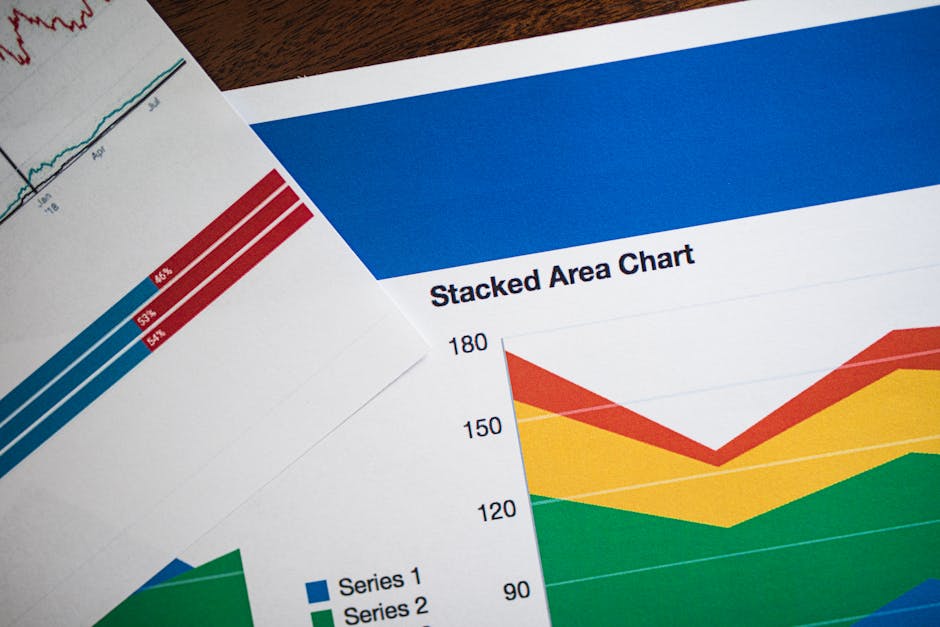
    If you’re not tracking MRR, churn, CAC, and LTV, you’re flying blind. These are not nice-to-haves. They are the numbers that tell you whether your business works.

    • MRR (Monthly Recurring Revenue): the lifeblood of SaaS — how much predictable revenue you have each month
    • Churn rate: the percentage of customers who cancel — if this is above 5% monthly for B2B, something is broken
    • CAC (Customer Acquisition Cost): how much you spend to win one customer
    • LTV (Lifetime Value): how much a customer is worth over their entire relationship with you

    The ratio that matters most: LTV should be at least 3x CAC. If it’s not, you’re spending more to acquire customers than they’re worth. That’s not a business — it’s a subsidy programme.

    Sign-ups, page views, and social media followers are vanity metrics. They feel good. They don’t pay the bills. Focus on revenue, retention, and unit economics. Everything else is noise.

    Business meeting with three professionals collaborating in a modern conference room setting.

    4. Build a Founding Team That Can Actually Execute

    A solo founder can build an MVP. A solo founder cannot build a B2B SaaS business. You need at least two people — one who understands the market and can sell, one who can build the product. Ideally, you need three: someone technical, someone commercial, and someone who can manage operations without setting money on fire.

    The worst founding team is three people with the same skill set. Three developers, three salespeople, three “ideas people” — none of these work. You need complementary skills, not friendship. Hire for what you’re missing, not what makes you comfortable.

    If you’re non-technical and building alone, you have two options: learn enough code to be dangerous, or find a technical co-founder. Outsourcing development works for MVPs — we do this for founders all the time — but you can’t outsource your entire product roadmap forever. At some point, you need someone in-house who understands the codebase.

    Close-up of hands holding a product trend chart in a corporate office setting.

    5. Your Go-to-Market Strategy Matters More Than Your Product Features

    You can have the best product in your category and still lose to a worse product with better distribution. This is not fair. This is how markets work.

    B2B SaaS has three main go-to-market motions: product-led growth (free trial, self-serve), sales-led (outbound, demos, enterprise deals), and partner-led (integrations, resellers, referral networks). Most founders pick one and assume it’ll work. The right motion depends on your ACV (average contract value) and your buyer.

    If your ACV is under $500/month, you need self-serve. Nobody is getting on a sales call to buy a $29/month tool. If your ACV is over $2,000/month, you probably need sales — enterprise buyers want to talk to a human before they commit budget. If you’re somewhere in between, you need both, which is expensive and complicated.

    We’ve seen founders spend six months building features nobody asked for because they didn’t have a clear GTM plan. Build the simplest version that proves the concept, then figure out how to sell it. Not the other way around. For more on scoping and launching the right MVP, read our ultimate guide to MVP development.

    Chain-locked book, phone, and laptop symbolizing digital and intellectual security.

    6. Security and Compliance Are Not Optional for B2B

    If you’re building consumer SaaS, you can get away with basic security and fix it later. If you’re building B2B SaaS, you can’t. Enterprise buyers will ask about SOC 2, GDPR, data residency, and penetration testing before they sign. If your answer is “we’ll sort that out later,” you’ve lost the deal.

    The minimum security checklist for B2B SaaS in 2026: encrypted data at rest and in transit, role-based access control, audit logs, and a clear data processing agreement. If you’re selling into healthcare, finance, or government, add HIPAA, PCI-DSS, or Cyber Essentials depending on your region.

    This is not something you bolt on at the end. Security architecture decisions made in week one affect what you can promise in month twelve. We build this in from the start because retrofitting it later costs 10x more and delays enterprise deals by months.

    7. AI Integration Is Now Table Stakes — But Only If It Solves a Real Problem

    Every B2B SaaS pitch deck in 2026 mentions AI. Most of them shouldn’t. AI is not a feature — it’s a tool. The question is whether it solves a problem your users actually have.

    Good AI integration: automating repetitive tasks, surfacing insights from data, generating first drafts that humans refine. Bad AI integration: adding a chatbot because everyone else has one, slapping “AI-powered” on your homepage, or building a product that’s just a thin wrapper around ChatGPT.

    We use Claude for most AI features because its outputs are predictable and its reasoning is transparent. That matters when you’re building something a business depends on. If you’re integrating AI, know what happens when the model is wrong — because it will be wrong, and your users will notice. For more on how AI is reshaping SaaS, see our post on whether SaaS is being replaced by AI.

    8. Pricing Is a Product Decision, Not a Marketing One

    Most founders underprice their B2B SaaS because they’re scared nobody will pay. This is a mistake. B2B buyers are not price-sensitive in the way consumers are. They care about ROI. If your product saves them £10,000 a year, they’ll pay £2,000 for it without blinking.

    The three pricing models that work for B2B SaaS: per-seat (Slack, Notion), usage-based (AWS, Twilio), and flat-rate tiers (most vertical SaaS). Pick the one that aligns with how your customers get value. If value scales with team size, charge per seat. If it scales with usage, charge per API call or transaction. If value is consistent regardless of size, use flat tiers.

    Test pricing before you build. Put a landing page up with three pricing tiers and see which one people click. If nobody clicks the highest tier, you’ve priced too high. If everyone clicks it, you’ve priced too low. Adjust before you write the billing logic.

    9. Build an MVP That Proves One Thing — Not Everything

    An MVP is not a cheaper version of your final product. It is the smallest thing that answers the question: will people pay for this? If your MVP has 14 features, it is not an MVP. It is a full product you’re calling an MVP to feel better about the timeline.

    The best MVPs we’ve built do one thing well. A bid generator that writes government submissions. A workflow tool that automates onboarding. A data sync that connects two systems nobody else connects. One problem, one solution, no distractions.

    Most MVPs ship in 4–6 weeks if the scope is clear. If someone tells you it’ll take six months, they’re either building too much or they don’t know what they’re doing. We scope every project before we price it because taking money for something unscoped is how projects go wrong. For a full breakdown of realistic timelines, read our guide on how long it takes to build a SaaS product.

    10. Know When to Bootstrap and When to Raise

    Bootstrapping works if your product is simple, your market is clear, and you can get to revenue quickly. Raising works if you need to move fast, hire a team, or compete in a space where speed is the only moat.

    Most B2B SaaS founders raise too early. They raise a pre-seed round before they’ve validated the market, then spend 18 months building something nobody wants. The best time to raise is after you have 10–20 paying customers and clear evidence of product-market fit. Investors don’t fund ideas anymore. They fund traction.

    If you’re bootstrapping, keep your burn low. Use Inqodo to build the MVP instead of hiring a full-time developer you can’t afford yet. Use no-code tools for internal workflows. Outsource everything that isn’t core to the product. The goal is to get to $10k MRR before you run out of money. After that, the options open up.

    11. Your Roadmap Should Be Driven by Customers, Not Your Opinion

    The features you think are important are not the features your customers think are important. This is always true. The only way to know what to build next is to ask the people paying you.

    Set up a feedback loop from day one. A Slack channel, a shared Notion board, a monthly call with your top 10 customers. Ask them what’s broken, what’s missing, and what they’d pay more for. Build the thing that shows up in every conversation. Ignore the thing that one person mentioned once.

    We’ve seen founders spend three months building a feature nobody asked for because they thought it was cool. It shipped. Nobody used it. That’s three months and £15,000 you don’t get back. Build what customers will pay for, not what you think they should want.

    Frequently Asked Questions

    How long does it take to build a successful B2B SaaS?

    An MVP typically ships in 4–6 weeks if scoped properly. Getting to product-market fit and meaningful revenue usually takes 12–18 months. The timeline depends on how quickly you can validate the market, iterate based on feedback, and build a repeatable sales process. Most founders underestimate the go-to-market timeline, not the build timeline.

    What are the biggest mistakes B2B SaaS founders make?

    Building without validating the market first. Underpricing because they’re scared nobody will pay. Raising money too early before they have traction. Picking the wrong tech stack and getting boxed in later. Ignoring security and compliance until an enterprise buyer asks. Most of these are fixable if you catch them early — expensive if you don’t.

    How do you validate product-market fit in B2B SaaS?

    You have product-market fit when customers are pulling the product from you, not when you’re pushing it to them. Concrete signals: 10+ paying customers who renewed, organic inbound inquiries, word-of-mouth referrals, and a churn rate below 5% monthly. If you’re still convincing people to try it, you don’t have fit yet.

    What funding stages are best for B2B SaaS startups?

    Bootstrap until you have 10–20 paying customers and clear evidence of demand. Raise a pre-seed or seed round once you’ve proven the market and need capital to scale sales and product. Series A comes when you have repeatable revenue growth and want to dominate a category. Raising before you have traction wastes time and dilutes equity unnecessarily.

    How to price a B2B SaaS product?

    Price based on the value you deliver, not your costs. If you save a customer £10,000 a year, charge £2,000–£3,000. Use per-seat pricing if value scales with team size, usage-based if it scales with activity, or flat tiers if value is consistent. Test pricing with a landing page before you build billing logic. Most founders underprice out of fear — B2B buyers care about ROI, not sticker price.

    What is the most important thing about B2B SaaS development that founders need to know?

    The product is not the hard part. Validating the market, pricing it correctly, building a repeatable sales process, and managing cash flow are the hard parts. Most B2B SaaS products fail because the founder built the wrong thing for the wrong market — not because the code was bad. Get the strategy right before you write a line of code.

    Should I use no-code tools or custom development for my B2B SaaS?

    No-code tools like Bubble work for validation and simple use cases. They become a problem when you need enterprise features, complex workflows, or custom integrations. If your product will stay simple forever, no-code is fine. If you’re planning to scale or sell to enterprise buyers, plan for custom development from the start. The migration later is expensive and risky.

    Ready to Get Started?

    If you’re building B2B SaaS and want a team that will tell you the truth before taking your money, we should talk. We’ve built 30+ products, scoped hundreds of projects, and turned down the ones that wouldn’t work. We don’t do discovery phases that cost £10,000 and produce a PDF. We scope during the conversation and price it straight.

    MVPs start from $2,000 for a working product that proves the concept. Full B2B SaaS builds with auth, billing, and integrations typically run $8,000–$15,000 depending on scope. We’ll tell you what it costs after one call, not three meetings later. If you want an honest conversation about what you’re building and what it’ll take to ship it, get in touch with Inqodo.

  • Benefits of Custom Software Development for Your Business

    Benefits of Custom Software Development for Your Business

    Most businesses buy off-the-shelf software because it’s fast and familiar. Then they spend the next two years working around what it can’t do. Custom software development means building exactly what your business needs — not adapting your processes to fit someone else’s product. The benefits of custom software development are straightforward: software that fits your workflow, scales with your growth, and doesn’t charge per user when you hit 51 employees.

    This post covers the real advantages of custom software — the ones that show up in your P&L, not just a vendor’s brochure. We’ll also address when off-the-shelf makes more sense, because custom isn’t always the right answer.

    Two men analyzing code on computers in a modern office setting.

    Benefits of Custom Software Development: Software That Actually Fits Your Workflow

    Off-the-shelf software is built for the average business. If your processes are average, that’s fine. Most aren’t.

    Custom software is built around how your business actually works. Not how a product manager at a SaaS company thinks businesses should work. If your sales team needs to cross-reference three systems before quoting a price, custom software can do that in one screen. If your warehouse tracks inventory by pallet position, not SKU, the software can match that.

    The benefit here is speed. Your team stops translating their work into what the software can handle. The software handles the work as it exists. We’ve seen companies cut admin time by 30–40% just by removing the workarounds they’d built around generic tools.

    At Inqodo, we build SaaS and AI SaaS products that match the actual workflow — not the idealised version. If your process is genuinely unusual, that’s not a problem to fix. That’s the point of custom development.

    Close-up of a man drawing a marketing strategy graph in a notebook.

    Scalability: Custom Solutions Scale Exactly How You Need Them To

    Off-the-shelf software scales in one direction: more users, higher tier, bigger bill. Custom software scales in the direction your business actually grows.

    If you’re adding locations, not users, most SaaS pricing penalises you. If you’re processing more transactions but with the same team size, you’re paying for capacity you don’t need. Custom software scales to match your revenue model, not theirs.

    The other scaling problem is features. Off-the-shelf tools add features for their entire customer base. You get the new CRM integration you didn’t ask for, and the reporting dashboard you’ll never use. Custom software adds what you need when you need it. Nothing else.

    We’ve worked with founders who outgrew their off-the-shelf tools at 50 customers because the pricing model assumed they’d have 10 team members, not 3. Custom software doesn’t assume. It’s scoped for how you plan to grow, then adjusted when that plan changes.

    Stock analysis workspace featuring charts, a calculator, and currency for data-driven insights.

    Long-Term ROI Beats Subscription Costs

    Custom software costs more upfront. A typical MVP starts at $8,000–$15,000 for a working product with core features, auth, and billing. That’s more than a $50/month SaaS subscription.

    The ROI shows up in year two. Most SaaS tools cost $1,200–$3,000 per year for a small team. Over five years, that’s $6,000–$15,000 — and you own nothing. Custom software is a one-time build cost, then maintenance. You own the code, the data, and the roadmap.

    According to the Standish Group, most software projects run over budget — but businesses that scope properly before building see 30–40% cost savings compared to adapting off-the-shelf tools long-term.

    The real cost isn’t the subscription. It’s the hours your team spends working around limitations, exporting data manually, or paying for integrations between tools that don’t talk to each other. Custom software removes those costs entirely.

    If your business will use this software for more than three years, and your needs are specific enough that off-the-shelf tools require workarounds, custom is cheaper. Not eventually — measurably, in year two.

    Close-up of wooden blocks spelling 'encryption', symbolizing data security and digital protection.

    Security Built for Your Risk Profile

    Off-the-shelf software secures data the same way for everyone. That’s fine if you’re storing email addresses. It’s a problem if you’re handling patient records, financial transactions, or anything that triggers a compliance audit.

    Custom software lets you build security that matches your actual risk. If you need role-based access where only senior staff can approve refunds, you build that. If you need audit logs that track every change to a record, you build that. If you need data to stay in the UK because your clients are government contractors, you build that.

    The other benefit is control. When a SaaS tool has a data breach, you find out on Twitter. When custom software has a vulnerability, you patch it yourself — or we do, depending on the contract. You’re not waiting for a vendor to prioritise your industry in their fix schedule.

    We use a structured SaaS development process that includes security reviews at each stage. Not because it’s required — because it’s cheaper to build it right than to retrofit it later.

    Detailed view of Ruby on Rails code highlighting software development intricacies.

    You Own the Code and the Data

    When you pay for off-the-shelf software, you rent access. When you stop paying, your data gets exported (if you’re lucky) and the software stops working. Custom software is yours. The code, the database, the deployment — all of it.

    This matters when you sell the business. A company that runs on Salesforce and HubSpot is worth less than a company that owns proprietary software built for its exact process. Acquirers pay for competitive advantage. Off-the-shelf tools are not an advantage — everyone has them.

    Ownership also means control over the roadmap. If your business needs a new feature, you build it. You don’t submit a feature request and wait 18 months. You don’t get forced onto a new UI because the vendor decided to redesign everything. The software changes when you decide it should.

    At Inqodo, every project we build is handed over with full code ownership. You can host it yourself, hire another developer to maintain it, or bring it back to us. It’s your asset, not ours.

    Abstract digital visualization of AI, featuring colorful 3D elements and modern design.

    Integration with AI and Emerging Tech

    Most off-the-shelf tools are adding AI features now. They’re adding the same AI features to every customer — a chatbot, a summarisation tool, maybe predictive analytics if you’re on the enterprise tier. Bespoke software lets you integrate AI where it actually helps your business.

    We’ve built AI SaaS products that do specific things: generate government bid submissions, analyse customer support patterns, draft compliance documentation. These aren’t features you find in a dropdown menu. They’re built for the exact problem the business has.

    The other advantage is flexibility. If you want to use Claude for reasoning tasks and a different model for image generation, you can. If you want to fine-tune a model on your proprietary data, you can. Off-the-shelf tools lock you into whatever AI provider they’ve partnered with.

    AI development is moving fast. Tailored software means you can adopt new models, new techniques, and new workflows as they become viable — not when your SaaS vendor gets around to it. If you’re curious whether AI is replacing SaaS entirely, the short answer is no — but it’s changing what custom software can do.

    Competitive Advantage That Can’t Be Copied

    If your competitors use the same software you do, you have the same capabilities they do. Custom software is a moat. Not a huge one — but enough that replicating what you’ve built takes time and money.

    A logistics company that built custom routing software has an advantage over competitors using Google Maps. A recruitment agency that built an AI tool to match CVs to job descriptions has an advantage over agencies doing it manually. The advantage isn’t the software itself — it’s the speed and accuracy it enables.

    This matters most in industries where margins are tight and speed wins contracts. If your custom software lets you quote a project in 10 minutes instead of 2 hours, you win more bids. If it lets you onboard a client in one day instead of five, you reduce churn. These are measurable advantages.

    Off-the-shelf tools are table stakes. Custom software is differentiation. If your business model depends on doing something faster, cheaper, or more accurately than competitors, custom development is how you get there.

    Built by People Who Understand Your Business

    The best custom software is built by developers who ask difficult questions before writing a line of code. Not because they’re being awkward — because they’ve seen what happens when you build the wrong thing perfectly.

    A founder contacted us wanting to build a marketplace. Buyers, sellers, ratings, payments, messaging, and a mobile app. Budget: £12,000. We told them that was four separate products with a realistic cost of £60,000–£80,000. They were frustrated. We scoped what they actually needed to validate the idea — one core workflow that would tell them whether anyone would pay. That came to £9,500 and 6 weeks. They said yes. We built it. They got paying users in week 8.

    Most agencies would have said yes to the original brief, taken the £12,000, delivered half a product, and asked for more money at month three. We find that more annoying than losing the project upfront.

    Custom software development works when the developer is honest about what you need. Not what you asked for — what you actually need. That’s the difference between a vendor and a builder.

    Ongoing Support on Your Terms

    Off-the-shelf software support means submitting a ticket and waiting. Custom software support means calling the person who built it — or the team that maintains it — and getting an answer.

    The support model is also clearer. You’re not paying for a support tier that covers “critical issues within 24 hours” while your definition of critical and theirs are different. You agree on what maintenance looks like upfront: bug fixes, hosting, updates, new features. Then you pay for what you use.

    We don’t do retainers for the sake of retainers. Ongoing work should be ongoing because the product needs it — not because the agency needs monthly revenue. If your software is stable and you don’t need changes, you don’t pay. If you need a new feature, we scope it and price it. That’s it.

    For founders wondering how long it takes to build a SaaS product, the answer is 4–6 weeks for most MVPs. Maintenance after that is minimal unless you’re actively adding features.

    When Off-the-Shelf Makes More Sense

    Custom software isn’t always the right answer. If your needs are generic, off-the-shelf is faster and cheaper. If you’re not sure what you need yet, paying $8,000 to build the wrong thing is worse than paying $50/month to test an idea.

    Use off-the-shelf software when your process is standard, your team is small, and you’re still figuring out product-market fit. Use custom software when you’ve outgrown the generic tools, when your workflow is specific enough that workarounds cost more than building, or when you need a competitive advantage that can’t be bought off a pricing page.

    If you’re not sure which applies, start with an MVP. Build the smallest version of the custom tool that proves it’s worth building. If it works, scale it. If it doesn’t, you’ve spent $2,000–$8,000 instead of $50,000.

    We’ll tell you if off-the-shelf makes more sense for your situation. Most agencies won’t say this — they get paid when you build. We’d rather you spend money on something that works than spend it with us on something that doesn’t.

    Frequently Asked Questions

    What is custom software development?

    Custom software development is building software specifically for your business needs, rather than adapting your processes to fit off-the-shelf tools. You define the features, the workflow, and the integrations. A development team builds it, you own the code, and the software does exactly what you need — nothing more, nothing less.

    What are the benefits of custom software development?

    The main benefits are fit, control, and long-term cost. Custom software matches your actual workflow, scales how your business grows, and becomes cheaper than SaaS subscriptions after 2–3 years. You also own the code, control the roadmap, and build features your competitors don’t have. It’s worth it when your needs are specific enough that generic tools require constant workarounds.

    How much does custom software development cost?

    A working MVP starts at $2,000 for a single core workflow. A full product with auth, billing, and core features typically costs $8,000–$15,000. Complex builds with AI, integrations, or multi-tenancy cost more. Most agencies won’t give you a number until you’re committed. We scope first, then price — if we can’t estimate cost after a 30-minute conversation, that’s on us, not you. See our full breakdown of SaaS development costs.

    Why is custom software better than off-the-shelf software?

    Custom software is better when your needs are specific. Off-the-shelf tools are built for the average business — if your workflow is average, they’re fine. If it’s not, you spend years working around limitations. Custom software removes the workarounds, scales to match your growth model, and costs less long-term because you’re not paying subscription fees forever.

    What are the disadvantages of custom software development?

    Higher upfront cost and longer time to launch. Off-the-shelf software can be running in a day. Custom software takes 4–6 weeks minimum. You also own the maintenance — if something breaks, you fix it or pay someone to fix it. Custom software makes sense when the long-term benefits outweigh the upfront investment. If you’re still figuring out what you need, off-the-shelf is usually smarter.

    Is custom software development worth it?

    It’s worth it if your business will use the software for more than three years and your needs are specific enough that off-the-shelf tools require constant workarounds. The ROI shows up in year two when you stop paying subscription fees and your team stops spending hours on manual processes. If your workflow is generic, off-the-shelf is cheaper and faster.

    Can I build custom software without coding?

    You can use no-code tools like Bubble or Webflow to validate an idea quickly. They’re genuinely good for testing whether people will pay for something. They become a problem when you need deep customisation, complex integrations, or full control over your data. At that point, custom development is faster and cheaper than fighting the no-code platform. Read our guide on building SaaS without coding to see when no-code makes sense.

    Ready to Get Started?

    If you’re spending more time working around your software than working with it, custom development might be the answer. We build SaaS and AI SaaS products that fit how your business actually works — not how a product manager at a SaaS company thinks it should work.

    Most MVPs take 4–6 weeks and start at $2,000. We scope before we price, and we’ll tell you if off-the-shelf makes more sense for your situation. No sales call, no discovery phase that costs £10,000 — just an honest conversation about what you’re trying to build and what it’ll take to get there.

    Get in touch at inqodo.com. We’ll tell you what it costs, how long it takes, and whether it’s worth building.