Tag: product development

  • SaaS Startup Mistakes to Avoid in 2026: Expert Guide

    SaaS Startup Mistakes to Avoid in 2026: Expert Guide

    Most SaaS startups fail before they find their first ten paying customers. The code works. The product looks good. But somewhere between launch and month six, the runway runs out and nobody can explain why the thing nobody asked for took nine months to build. These common SaaS startup mistakes to avoid are predictable. Most of them happen before a single line of code is written.

    This guide covers the mistakes we see founders make repeatedly in 2026. These are the ones that cost months and tens of thousands in wasted spend. Some are strategic. Some are tactical. All of them are avoidable if you know what to look for before you start building.

    Stressed man at desk looking at declining stock charts on laptop, indicating financial loss.

    Building Before You Validate the Market

    The most expensive mistake is building the wrong product perfectly. We have worked with founders who spent £40,000 on a beautifully architected platform that nobody wanted. The problem was not the code. The problem was that nobody checked whether the problem they were solving was one people would pay to fix.

    Validation does not mean asking friends if your idea sounds good. It means finding ten people who will pay you money, today, for a solution that does not exist yet. If you cannot find ten people willing to pre-pay or commit to a pilot, you do not have a market. You have a hypothesis.

    Here is what real validation looks like:

    • Run a landing page with a waitlist and a clear description of what the product does. If 100 visitors produce zero email signups, that is data.
    • Sell the product before it exists. Take pre-orders, run a pilot, offer founding member pricing. If nobody converts, do not build it.
    • Talk to 20-30 people in your target market. Ask what they currently use, what they pay, and what would make them switch. If the answer is “nothing,” move on.

    Most founders skip this because validation feels slow. Building feels like progress. But building the wrong thing is slower than validating the right one. A two-week validation sprint costs you time. A six-month build that nobody uses costs you the business.

    If you are not sure whether your idea is worth building, we would recommend using a SaaS cost calculator to understand what you are committing to financially, then spending two weeks trying to sell it before you spend a penny on development.

    Two businessmen engaging in a discussion over coffee. Professional and focused atmosphere.

    Common SaaS Startup Mistakes to Avoid: Getting Pricing Wrong From Day One

    Founders either underprice out of fear or overprice because they added up the hours it took to build. Both are wrong. Pricing is not about cost. It is about value, positioning, and what the market will bear.

    The most common pricing mistake in 2026 is launching with a free tier that has no path to paid. Free users cost money to support, and if your product does not have a clear upgrade trigger, you end up with thousands of free accounts and no revenue. Free is a go-to-market strategy, not a business model.

    Here is what works:

    • Price based on the value you deliver, not the effort it took to build. If your tool saves a company £5,000 a month, charging £500 is defensible. Charging £50 is leaving money on the table.
    • Start higher than feels comfortable. You can always discount or add a cheaper tier later. Raising prices on existing customers is harder and burns goodwill.
    • Use usage-based pricing if your cost scales with usage. Per-seat pricing works for collaboration tools. Per-transaction works for payment platforms. Pick the model that aligns your revenue with customer success.
    • Test pricing before launch. Show three pricing tiers to 20 potential customers and ask which they would pick. If everyone picks the cheapest, your middle tier is your new entry price.

    According to ProfitWell’s 2025 SaaS pricing benchmarks, companies that test pricing with customers before launch see 30% higher revenue per customer in year one compared to those that guess.

    We have worked with founders who launched at £29/month because that is what competitors charged, only to realize six months in that their target customers were enterprises with £10,000 budgets. The product was right. The pricing left 95% of the revenue on the table. For more on what development costs actually look like and how that should inform your pricing strategy, see our breakdown of SaaS development costs in the UK and Europe.

    Business professional drawing graph during office presentation with colleague

    Overbuilding the MVP

    An MVP is not a cheaper version of your full product. It is the smallest thing that proves people will pay for the core value you are offering. If your MVP has 14 features, it is not an MVP. It is a full product you are pretending is an MVP to justify the scope.

    The goal of an MVP is to answer one question: will people pay for this? Everything else is noise. We have seen founders add user roles, advanced analytics, integrations, and mobile apps to their MVP because “users will expect it.” No they will not. They will expect the product to solve the problem you promised to solve. If it does that, they will pay. If it does not, the extra features do not matter.

    Here is how to scope an MVP properly:

    • Identify the one workflow that delivers the core value. If you are building invoicing software, the MVP is creating and sending an invoice. Not recurring billing, not multi-currency, not reporting. Just the one thing.
    • Cut everything that is not essential to that workflow. User roles can wait. A mobile app can wait. If the product works without it, it is not in the MVP.
    • Ship it in 4-6 weeks, not 6 months. If your MVP timeline is longer than two months, you are building too much.

    Most agencies will say yes to the full feature list because yes wins the project. We tell founders when their scope is three products, not one. A properly scoped MVP costs $8,000-$15,000 and ships in 4-6 weeks. An overbuilt one costs $40,000, takes six months, and launches to silence because by the time it is ready, the market has moved on. For a deeper look at what you should actually build first, read our guide on SaaS MVP vs full product.

    Close-up of a person coding on a laptop, showcasing web development and programming concepts.

    Ignoring Customer Onboarding and Support

    A user who does not understand your product in the first five minutes will not become a paying customer. Onboarding is not a nice-to-have. It is the difference between a 10% conversion rate and a 60% conversion rate.

    The mistake founders make is assuming the product is intuitive because they built it. It is not. You know where every button is because you put it there. A new user is looking at your interface for the first time, trying to figure out whether this thing is worth their time. If the path to value is not obvious, they leave.

    Here is what good onboarding looks like in 2026:

    • Show value in the first session. Do not make users fill out a profile, connect six integrations, and read a tutorial before they see the product work. Let them complete one meaningful action in under two minutes.
    • Use progressive disclosure. Do not explain every feature upfront. Show users the next step when they are ready for it.
    • Offer human support early. A chatbot is fine for FAQs. A real conversation in the first week closes deals. We have seen founders close 40% of trial users just by offering a 15-minute onboarding call.
    • Measure where users drop off. If 60% of signups never complete setup, your onboarding is broken. Fix that before you spend another pound on ads.

    Support is not just about answering questions. It is about learning why users are confused, what they expected, and what you need to fix. Every support ticket is product feedback. Founders who treat it as an interruption miss half the insights they need to improve the product.

    Friendly female call center agent with headset smiling in office setting.

    Failing to Solve the Customer Acquisition Problem

    Building the product is half the problem. Getting people to use it is the other half. Most founders treat marketing as something they will figure out after launch. By the time they realize nobody knows the product exists, they have three months of runway left and no distribution strategy.

    The most common acquisition mistake is trying to do everything at once. Founders launch with a content strategy, a paid ads budget, cold outreach, partnerships, and an affiliate program. None of them work because none of them get enough focus to generate results. You need one channel that works before you add a second.

    Here is how to pick your first acquisition channel:

    • If you are B2B and selling to a specific industry, start with cold outreach. Build a list of 200 target companies, write a short email that leads with the problem you solve, and send 20 emails a day. If you cannot get five meetings in two weeks, your positioning is wrong.
    • If you are selling to developers or technical users, content and SEO work. Write about the problem your product solves, publish it where your audience already reads, and link to your product as the solution. This takes three months to work, so start early.
    • If you are consumer or prosumer, paid ads on Facebook or Google can work, but only if your lifetime value is at least 3x your cost per acquisition. If your product is £10/month and your CPA is £40, the math does not work.
    • If you have a network in your target market, use it. The fastest way to your first ten customers is people who already know you. Ask for intros, offer founding member pricing, close them personally.

    Do not spread your budget across five channels. Pick one, run it for 30 days, measure what happens, and double down if it works or kill it if it does not. For a step-by-step breakdown of how to close your first customers, see our guide on getting your first 100 SaaS customers.

    Bright yellow sticky note with holiday email marketing message clipped to a wireframe wall.

    Choosing the Wrong Tech Stack or Development Approach

    The tech stack you choose in month one will either accelerate your growth or become the reason you have to rebuild in year two. Founders make two mistakes here: picking tools they know instead of tools that fit the problem, or overengineering the stack because they are planning for scale they do not have yet.

    No-code tools like Bubble and Webflow are genuinely good for validation. They let you ship fast and test the idea without writing code. The problem comes when you try to scale, customize deeply, or own your data. We have worked with founders who built their MVP in Bubble, got traction, and then hit a wall when they needed custom workflows or enterprise features the platform could not support. Rebuilding cost them four months and £30,000.

    Here is when to use no-code and when to go custom:

    • Use no-code if you are testing an idea, need to launch in under two weeks, and are not sure people will pay yet. It is faster and cheaper than custom development for early validation.
    • Go custom if you are building something people are already paying for, need to scale beyond a few hundred users, or require features no-code platforms do not support well like complex permissions, custom APIs, or multi-tenancy.
    • Pick a modern stack that has a large developer community. Next.js, React, Node.js, and Supabase are solid choices in 2026 because they are well-documented, widely used, and you can hire developers who know them.

    The other mistake is building everything from scratch because you want full control. You do not need to write your own auth system, payment processing, or email infrastructure. Use Stripe for payments, Supabase for auth and database, and a service like Resend for transactional email. Your job is to build the thing that makes your product unique, not to rebuild Stripe. For more on choosing the right stack, read our guide on the best tech stack for SaaS startups in 2026, and for a comparison of custom vs no-code development, see custom software development for startups vs no-code.

    Mismanaging Runway and Burn Rate

    Running out of money is not a technical failure. It is a planning failure. Most founders know how much runway they have, but they do not track burn rate weekly or adjust spending when growth is slower than expected. By the time they realize the money is running out, it is too late to fix it.

    The mistake is treating your budget as fixed. If you raised £100,000 and planned for 12 months of runway, that assumes your revenue ramp happens on schedule. It will not. Revenue always takes longer than you expect, and if you do not adjust your burn rate when that happens, you will run out of money before you hit profitability.

    Here is how to manage runway properly:

    • Track your burn rate every week. Know exactly how much you are spending and how many months you have left at the current rate.
    • Set a trigger point. If you hit six months of runway with no clear path to revenue, cut spending immediately. Waiting until you have three months left is too late.
    • Separate must-have spending from nice-to-have. Your must-haves are product development, hosting, and the founder’s salary if they are full-time. Everything else, including paid ads, conferences, and additional hires, is discretionary. Cut discretionary spending first.
    • Revenue fixes everything. If you are burning £8,000/month and you add £5,000/month in revenue, your runway just doubled. Focus on getting to revenue faster than you focus on reducing costs.

    We have worked with founders who spent £50,000 on a product before they had a single customer conversation. That is not ambition. That is poor capital allocation. Build the smallest thing that proves the idea, charge for it, then use the revenue to fund the next phase. If you are not sure what that smallest thing costs, use a tool like our SaaS cost calculator to get a realistic estimate before you commit the budget.

    Frequently Asked Questions

    What are the biggest mistakes SaaS startups make?

    The biggest mistakes are building before validating the market, pricing too low or with no clear path to paid conversion, overbuilding the MVP with features that do not prove core value, and failing to solve customer acquisition early. Most SaaS failures happen because founders build something nobody wants or run out of money before they find product-market fit.

    How do you avoid SaaS startup failure?

    Validate demand before you build by pre-selling or running pilots with real customers. Scope your MVP to the smallest thing that delivers core value and ship it in 4-6 weeks, not six months. Pick one customer acquisition channel and make it work before adding others. Track your burn rate weekly and cut spending if revenue is slower than expected.

    What is the most common reason SaaS startups fail?

    Lack of product-market fit is the most common reason. Founders build a product based on assumptions, launch it, and discover nobody is willing to pay for it. The second most common reason is running out of money before reaching profitability, usually because they spent too much building the wrong thing or failed to solve customer acquisition fast enough.

    How do you validate a SaaS idea before building?

    Run a landing page with a clear description of the product and a waitlist or pre-order option. If you cannot get 50-100 signups or five pre-orders in two weeks, the demand is not there. Talk to 20-30 people in your target market and ask what they currently use, what they pay, and what would make them switch. If the answer is nothing, do not build it.

    How do SaaS startups get their first customers?

    The fastest way is through your existing network. Ask for introductions, offer founding member pricing, and close the first ten customers personally. If you are B2B, cold outreach works if your email leads with the specific problem you solve and includes a clear call to action. If you are targeting developers or technical users, write content that solves their problems and link to your product as the solution.

    What SaaS startup mistakes to avoid when choosing a tech stack?

    Do not pick a stack just because you know it or because it is trendy. Pick tools that fit the problem and have strong developer communities. Avoid overengineering for scale you do not have yet, and do not build infrastructure from scratch when reliable third-party services exist for auth, payments, and email. Use no-code for validation, but plan to rebuild in custom code if you get traction and need features no-code platforms cannot support.

    How much should a SaaS MVP cost to build?

    A properly scoped MVP with one core workflow, auth, and deployment typically costs $8,000-$15,000 and takes 4-6 weeks to build. If your MVP quote is over $30,000 or the timeline is longer than three months, you are building too much. The goal is to prove people will pay for the core value, not to build the full product on day one.

    Ready to Get Started?

    We have built 30+ SaaS products for founders who wanted to avoid these mistakes. Most MVPs ship in 4-6 weeks, and we scope every project before we price it so you know exactly what you are committing to before we write a line of code. If you are not sure whether your idea is ready to build, we will tell you. If it is, we will build it properly the first time.

    Get in touch at inqodo.com and we will walk you through what it takes to turn your idea into a working product people will pay for.

  • How to Build a SaaS Product with AI in 2026: Complete Guide

    How to Build a SaaS Product with AI in 2026: Complete Guide

    Building a SaaS product with AI in 2026 means combining modern AI tooling with a disciplined MVP process. Most founders now ship working products in 4–6 weeks using AI coding assistants, pre-built boilerplates, and API-based models like Claude or GPT-4. The fastest path is not building everything from scratch. It’s scoping one core workflow, integrating AI where it solves a real problem, and shipping something users can pay for immediately. This guide walks through how to build a SaaS product with AI in 2026: from choosing the right AI tools to integrating features, deploying, and scaling without burning budget on features nobody asked for.

    A developer writing code on a laptop, displaying programming scripts in an office environment.

    How to Build a SaaS Product with AI: Choose Your Development Stack First

    The stack you choose determines how fast you ship and how much you spend getting there. In 2026, the default for most SaaS builds is Next.js for the frontend, Supabase or Firebase for backend and auth, and Claude or OpenAI APIs for AI features. Next.js handles server-side rendering and API routes in one framework. Supabase gives you a Postgres database, authentication, and real-time subscriptions without managing infrastructure.

    AI coding assistants like Cursor, GitHub Copilot, and v0 by Vercel speed up development significantly. Cursor is particularly strong for full-file edits and multi-file refactoring. v0 generates React components from text prompts. These tools don’t replace developers — they replace the repetitive parts of coding. A founder with basic technical knowledge can now build faster than a junior developer could three years ago.

    SaaS boilerplates like Shipfast, Supastarter, and Makerkit provide pre-built authentication, billing (Stripe integration), and deployment pipelines. They cost $200–$400 upfront and save 2–3 weeks of setup work. If you’re building an MVP, that time saving is worth more than the cost.

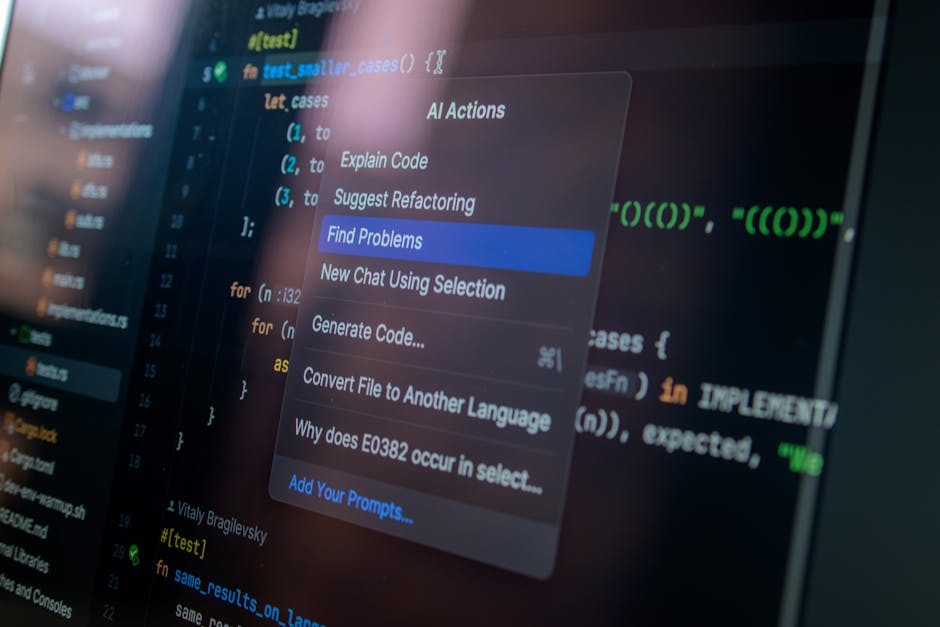
    Close-up of AI-assisted coding with menu options for debugging and problem-solving.

    Decide Whether You’re Building AI-Native or AI-Enhanced

    AI-native products are built around an AI capability as the core feature. An AI writing assistant, a contract analysis tool, or an automated bid generator are AI-native. The AI is not a feature — it is the product. These products live or die on prompt quality, model selection, and how well the output matches user expectations.

    AI-enhanced products use AI to improve an existing workflow. A project management tool that auto-generates task descriptions, or a CRM that suggests follow-up emails. The product works without the AI. The AI makes it better. Most SaaS products in 2026 are AI-enhanced, not AI-native.

    The distinction matters because AI-native products require more upfront work on prompt engineering, model evaluation, and output validation. AI-enhanced products can ship faster because the core workflow already works. If you’re a first-time founder, AI-enhanced is the safer bet. If you’ve identified a problem that only AI can solve, AI-native is the only option. We’ve built both — the decision depends on whether users would pay for the product if the AI feature disappeared tomorrow.

    Red-haired woman writing on a whiteboard with sticky notes in a modern office setting.

    Scope the Smallest Thing That Proves the Idea

    Most founders overestimate what an MVP needs. An MVP is not a feature-light version of your full product. It is the smallest thing that answers the question: will people pay for this? If your MVP has 14 features, it is not an MVP.

    Start by writing down the one workflow your product must do. Not the three workflows it could do — the one it must do to be useful. A founder came to us wanting to build a marketplace with buyers, sellers, payments, messaging, and ratings. That is four separate products. The one workflow they needed to validate was: can a buyer find a seller and request a quote? We scoped that. It cost $9,500 and took 6 weeks. They had paying users by week 8.

    AI features should follow the same rule. If you’re adding AI-generated summaries, auto-complete, or recommendations, ask whether the product works without them. If it does, ship without them first. Add AI once you have users who can tell you whether the AI output is actually useful. The most expensive mistake is building the wrong product perfectly. For a detailed breakdown of what different scopes actually cost, see our SaaS cost calculator.

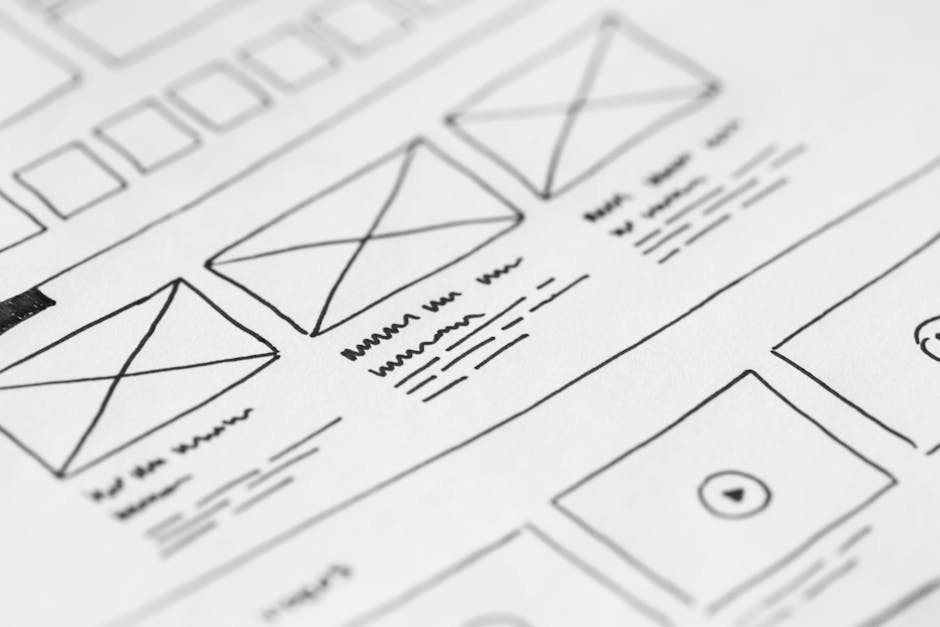
    Detailed close-up of a hand-drawn wireframe design on paper for a UX project.

    Integrate AI Features Using API-First Models

    Most AI SaaS products in 2026 use API-based models rather than self-hosted ones. OpenAI’s GPT-4, Anthropic’s Claude, and Google’s Gemini all offer API access with usage-based pricing. You send a prompt, get a response, and pay per token. This is faster and cheaper than training your own model unless you’re operating at significant scale.

    Claude is our default for most projects because its outputs are more predictable and its reasoning is more transparent than alternatives. For tasks like document analysis, structured data extraction, or multi-step workflows, Claude handles context better. GPT-4 is stronger for creative generation and conversational interfaces. The model you choose should match the task — not the brand.

    Cost scales with usage. A typical API call to Claude costs $0.01–$0.05 depending on input and output length. If your product generates 1,000 AI responses per day, expect $10–$50 daily in API costs. At 10,000 responses, you’re at $100–$500 per day. This is why AI-native products need usage limits or tiered pricing from day one. Running an unlimited free tier with AI features is how you spend $10,000 in a weekend. We’ve seen it happen.

    According to Anthropic’s 2025 usage data, the average AI SaaS product spends 15–25% of revenue on API costs in the first year, dropping to 8–12% after optimisation and caching strategies are implemented.

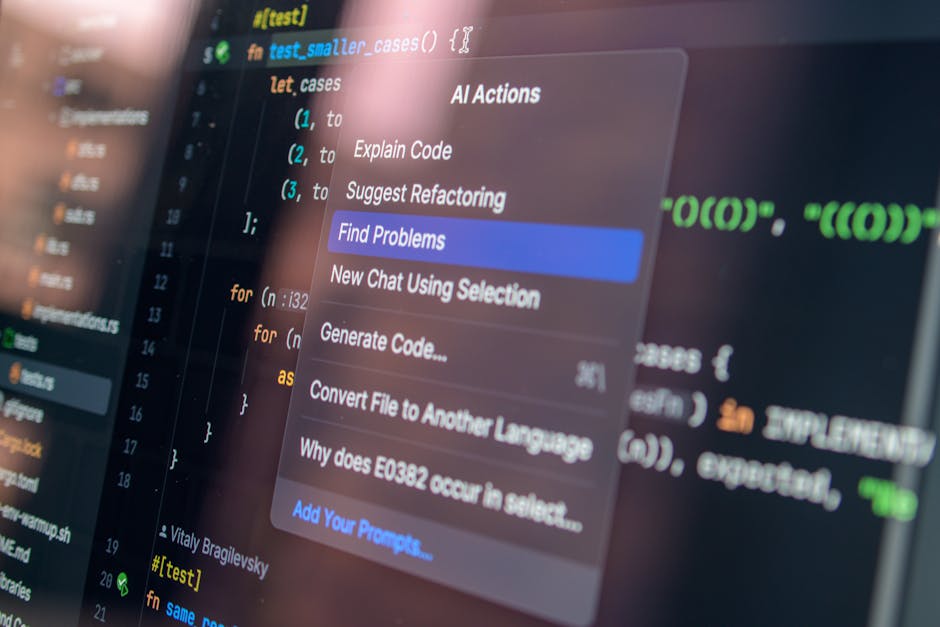
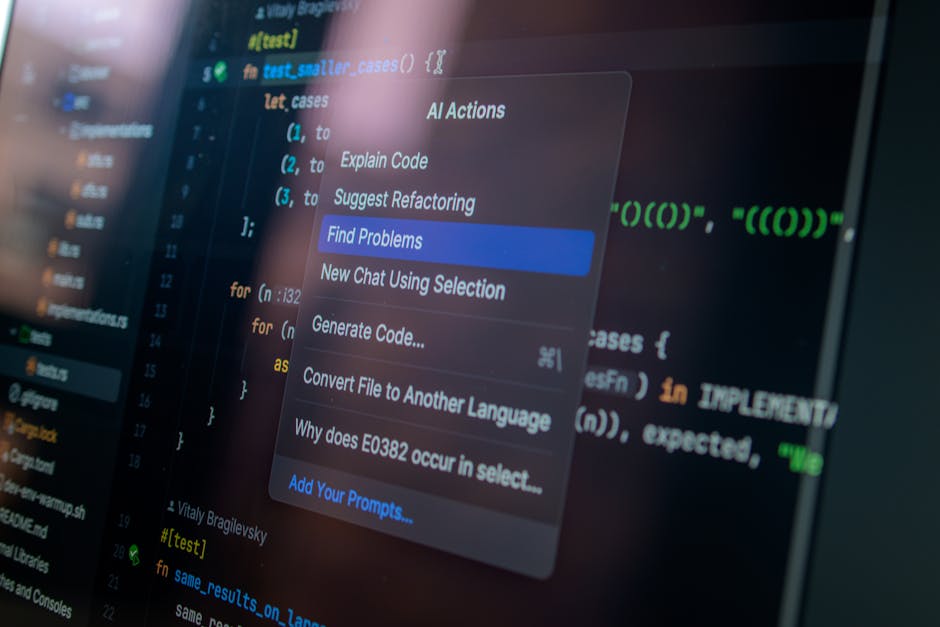
    Detailed view of a computer screen displaying code with a menu of AI actions, illustrating modern software development.

    Build, Test, and Deploy in Phases

    The development process for an AI SaaS product in 2026 typically runs in three phases: core build, AI integration, and production deployment. Each phase has a clear deliverable. Most projects take 4–6 weeks total if scoped correctly.

    Phase one is the core build. Authentication, database schema, basic UI, and the primary user workflow without AI. This should take 1–2 weeks using a boilerplate and modern tooling. You should be able to sign up, log in, and complete the main action your product enables. No AI yet. If this phase takes longer than two weeks, the scope is too large.

    Phase two is AI integration. Connect your API, write and test prompts, handle edge cases where the AI output is wrong or incomplete, and add retry logic. This takes 1–2 weeks. The most common mistake here is assuming the first prompt you write will work in production. It will not. Prompt engineering is iterative. Test with real data, not the happy-path example you wrote in the design doc.

    Phase three is deployment and scaling. Set up CI/CD pipelines, configure environment variables, add monitoring for API usage and errors, and deploy to production. Vercel, Netlify, and Railway handle this with minimal configuration. Most projects deploy in under a day once the code is ready. If you’re wondering how long this typically takes, the answer depends entirely on how well you scoped phase one.

    A high-tech command center with illuminated digital screens in a futuristic setting.

    Plan for AI-Specific Costs and Compliance

    AI adds two cost categories most founders miss: API usage and data compliance. API costs scale with users. If each user generates 10 AI requests per session and you have 1,000 daily active users, that is 10,000 API calls per day. At $0.02 per call, you are spending $200 daily or $6,000 monthly. This is why tiered pricing exists — unlimited AI usage is not financially viable for most early-stage products.

    Data compliance is more complex in 2026 than it was two years ago. GDPR applies if you have EU users. California’s CPRA applies if you have US users. Both require clear disclosure about how user data is processed, stored, and whether it is used to train models. Most API providers (OpenAI, Anthropic) offer zero-retention options where your data is not used for training. Enable this. It costs slightly more per call but eliminates a significant legal risk.

    If your AI product processes sensitive data — healthcare records, financial information, legal documents — you will need SOC 2 or ISO 27001 certification eventually. This is not a day-one requirement, but it is a six-month requirement if you are selling to enterprises. Budget $15,000–$40,000 for initial compliance work. Inqodo has worked with founders navigating this process — the earlier you plan for it, the less expensive it is to implement.

    Common Mistakes and What Actually Goes Wrong

    Most AI SaaS products that fail do not fail because of bad code. They fail because the AI output was not good enough to replace the manual process, or because the founder built a feature and called it a product. A Custom GPT that works for you is not a product someone else will pay for. A product is authentication, billing, multi-tenancy, error handling, and a workflow that works when the AI gets it wrong.

    Another common mistake is over-reliance on AI for tasks it handles poorly. AI is excellent at summarisation, classification, and generation from structured prompts. It is weak at tasks requiring real-time data, multi-step reasoning with external validation, or outputs that must be 100% accurate. If your product requires the AI to be right every time, you are building on a fragile foundation. Build in human review, confidence scores, or manual override options.

    The third mistake is underestimating prompt drift. A prompt that works in testing may degrade in production as edge cases appear. Users will input data you did not anticipate. The AI will return outputs you did not expect. Monitoring and logging every AI interaction is not optional — it is how you catch problems before they become support tickets. If you are considering whether to build without coding or hire developers, this is where the difference shows. No-code tools handle the happy path. Developers handle what happens when the path is not happy.

    Ready to Get Started?

    Building a SaaS product with AI in 2026 is faster and cheaper than it has ever been — if you scope it correctly, choose the right tools, and ship the smallest version that proves the idea. Most founders spend too long planning and not enough time testing with real users. The goal is not to build the perfect product. The goal is to build something good enough to learn whether anyone will pay for it.

    If you are ready to move from idea to working product, Inqodo builds AI SaaS products from $2,000. We scope before we price, we tell you when your feature list is too long, and we ship working software in 4–6 weeks. Get in touch if you want to talk through your idea with someone who has built this 30+ times before.

    Frequently Asked Questions

    What is the fastest way to build a SaaS with AI in 2026?

    Use a SaaS boilerplate like Shipfast or Supastarter for authentication and billing, integrate an API-based AI model like Claude or GPT-4, and deploy to Vercel or Railway. Most MVPs ship in 4–6 weeks using this approach. The speed comes from not building infrastructure from scratch.

    Which AI tools are best for non-technical founders building SaaS?

    Cursor and v0 by Vercel are the most accessible AI coding assistants for non-technical founders in 2026. Cursor handles full-file edits and can build features from text prompts. v0 generates React components visually. Both reduce the need for deep coding knowledge but still require someone who can review and test the output.

    How much does it cost to launch an AI SaaS product?

    A working MVP with AI features typically costs $8,000–$15,000 if built by a development team like Inqodo, or $2,000–$5,000 if you are building it yourself using boilerplates and AI coding tools. Ongoing costs include API usage ($200–$2,000 monthly depending on scale), hosting ($20–$100 monthly), and any compliance work required for your industry.

    What are the most profitable AI SaaS niches for 2026?

    Document analysis and workflow automation for regulated industries (legal, finance, healthcare) remain highly profitable because enterprises will pay for accuracy and compliance. AI-enhanced B2B tools that reduce manual work in sales, recruitment, and customer support also perform well. Consumer AI products face more competition and lower willingness to pay.

    How to build a SaaS product with AI in 2026 if I am not a developer?

    Start with a no-code tool like Bubble or Webflow to validate the core idea, then hire a developer or agency to rebuild it properly once you have paying users. Alternatively, use AI coding assistants like Cursor and a SaaS boilerplate to build a working product yourself. The second option is faster and gives you more control, but requires learning basic development concepts.

    Do I need to train my own AI model to build an AI SaaS product?

    No. Most AI SaaS products in 2026 use API-based models like Claude, GPT-4, or Gemini rather than training custom models. Training your own model costs $50,000–$500,000+ and only makes sense at significant scale or for highly specialised tasks. API-first models are faster, cheaper, and easier to integrate.

    What are the biggest risks when building an AI SaaS product?

    The three biggest risks are underestimating API costs as you scale, building a product where the AI output is not reliable enough to replace manual work, and failing to plan for data compliance requirements like GDPR. All three are avoidable with proper scoping and cost modeling before you start building.

  • B2B SaaS Development: What Founders Need to Know in 2026

    B2B SaaS Development: What Founders Need to Know in 2026

    B2B SaaS development is what founders need to know before they write a single line of code. Most B2B SaaS founders think the hard part is building the product. It’s not. The hard part is building the right product for the right market at the right time — then figuring out how to sell it before the money runs out. The code is the easy bit. The decisions before and after the code are what kill most projects.

    This guide covers what actually matters when you’re building B2B SaaS in 2026. Not theory. Not what worked in 2018. What works now — from someone who has shipped 30+ products and had the honest conversations most agencies avoid.

    A diverse team of professionals collaborating and discussing work in a modern office setting.

    1. What Founders Need to Know: Validate the Problem Before You Write a Line of Code

    Most B2B SaaS products fail because nobody wanted them. Not because the code was bad. Not because the UI was ugly. Because the founder built something nobody asked for and assumed they’d figure out the market later.

    Validation means talking to 10–15 people in your target market and hearing the same problem described in their words. Not “would you use this if it existed” — that question is useless. Ask what they do now, how much it costs them, and what they’ve already tried. If they’re not paying for a solution today, they won’t pay for yours tomorrow.

    We’ve turned down projects where the founder had a clear vision, a reasonable budget, and zero evidence that anyone wanted it. That’s not us being difficult. That’s us not wanting to take money for something that won’t work. Most agencies won’t say this — they’ll take the brief and build it anyway.

    According to CB Insights, 42% of startups fail because there’s no market need for their product — making it the single biggest cause of failure.

    A female engineer works on code in a contemporary office setting, showcasing software development.

    2. Pick Your Tech Stack Based on What You’ll Need in 18 Months, Not 18 Days

    The wrong tech stack doesn’t kill you at launch. It kills you at month 14 when you’re trying to scale, add enterprise features, or integrate with a client’s existing systems — and your no-code tool or legacy framework can’t do it.

    For most B2B SaaS products in 2026, the stack that works is: Next.js for the front end, Node.js for the back end, PostgreSQL for the database, and hosting on Vercel or AWS. This is not the only stack. It is the stack that won’t box you in when you need to move fast later.

    No-code tools like Bubble are fine for validation. They become a problem when you need custom logic, complex workflows, or white-label versions for enterprise clients. If your product is simple enough to stay in Bubble forever, you probably don’t have a defensible business. If it’s not, plan the migration before you’re forced into it. For a detailed breakdown of what it actually costs to build a SaaS product with the right stack, see our full cost guide for founders.

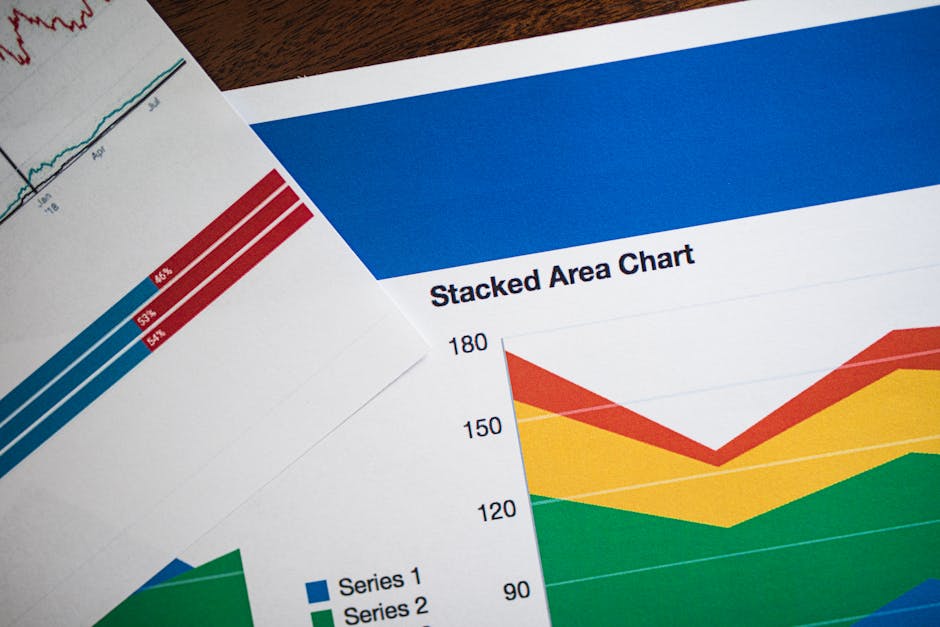
    Vivid stacked area chart and graphs on paper, showcasing data analysis.

    3. Track the Metrics That Actually Matter — and Ignore Vanity Numbers

    If you’re not tracking MRR, churn, CAC, and LTV, you’re flying blind. These are not nice-to-haves. They are the numbers that tell you whether your business works.

    • MRR (Monthly Recurring Revenue): the lifeblood of SaaS — how much predictable revenue you have each month
    • Churn rate: the percentage of customers who cancel — if this is above 5% monthly for B2B, something is broken
    • CAC (Customer Acquisition Cost): how much you spend to win one customer
    • LTV (Lifetime Value): how much a customer is worth over their entire relationship with you

    The ratio that matters most: LTV should be at least 3x CAC. If it’s not, you’re spending more to acquire customers than they’re worth. That’s not a business — it’s a subsidy programme.

    Sign-ups, page views, and social media followers are vanity metrics. They feel good. They don’t pay the bills. Focus on revenue, retention, and unit economics. Everything else is noise.

    Business meeting with three professionals collaborating in a modern conference room setting.

    4. Build a Founding Team That Can Actually Execute

    A solo founder can build an MVP. A solo founder cannot build a B2B SaaS business. You need at least two people — one who understands the market and can sell, one who can build the product. Ideally, you need three: someone technical, someone commercial, and someone who can manage operations without setting money on fire.

    The worst founding team is three people with the same skill set. Three developers, three salespeople, three “ideas people” — none of these work. You need complementary skills, not friendship. Hire for what you’re missing, not what makes you comfortable.

    If you’re non-technical and building alone, you have two options: learn enough code to be dangerous, or find a technical co-founder. Outsourcing development works for MVPs — we do this for founders all the time — but you can’t outsource your entire product roadmap forever. At some point, you need someone in-house who understands the codebase.

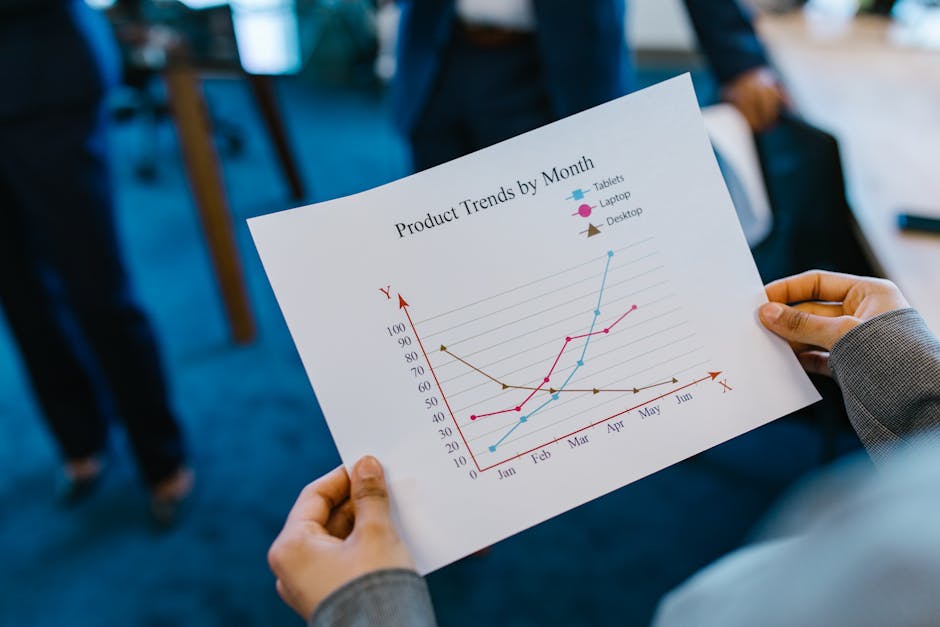
    Close-up of hands holding a product trend chart in a corporate office setting.

    5. Your Go-to-Market Strategy Matters More Than Your Product Features

    You can have the best product in your category and still lose to a worse product with better distribution. This is not fair. This is how markets work.

    B2B SaaS has three main go-to-market motions: product-led growth (free trial, self-serve), sales-led (outbound, demos, enterprise deals), and partner-led (integrations, resellers, referral networks). Most founders pick one and assume it’ll work. The right motion depends on your ACV (average contract value) and your buyer.

    If your ACV is under $500/month, you need self-serve. Nobody is getting on a sales call to buy a $29/month tool. If your ACV is over $2,000/month, you probably need sales — enterprise buyers want to talk to a human before they commit budget. If you’re somewhere in between, you need both, which is expensive and complicated.

    We’ve seen founders spend six months building features nobody asked for because they didn’t have a clear GTM plan. Build the simplest version that proves the concept, then figure out how to sell it. Not the other way around. For more on scoping and launching the right MVP, read our ultimate guide to MVP development.

    Chain-locked book, phone, and laptop symbolizing digital and intellectual security.

    6. Security and Compliance Are Not Optional for B2B

    If you’re building consumer SaaS, you can get away with basic security and fix it later. If you’re building B2B SaaS, you can’t. Enterprise buyers will ask about SOC 2, GDPR, data residency, and penetration testing before they sign. If your answer is “we’ll sort that out later,” you’ve lost the deal.

    The minimum security checklist for B2B SaaS in 2026: encrypted data at rest and in transit, role-based access control, audit logs, and a clear data processing agreement. If you’re selling into healthcare, finance, or government, add HIPAA, PCI-DSS, or Cyber Essentials depending on your region.

    This is not something you bolt on at the end. Security architecture decisions made in week one affect what you can promise in month twelve. We build this in from the start because retrofitting it later costs 10x more and delays enterprise deals by months.

    7. AI Integration Is Now Table Stakes — But Only If It Solves a Real Problem

    Every B2B SaaS pitch deck in 2026 mentions AI. Most of them shouldn’t. AI is not a feature — it’s a tool. The question is whether it solves a problem your users actually have.

    Good AI integration: automating repetitive tasks, surfacing insights from data, generating first drafts that humans refine. Bad AI integration: adding a chatbot because everyone else has one, slapping “AI-powered” on your homepage, or building a product that’s just a thin wrapper around ChatGPT.

    We use Claude for most AI features because its outputs are predictable and its reasoning is transparent. That matters when you’re building something a business depends on. If you’re integrating AI, know what happens when the model is wrong — because it will be wrong, and your users will notice. For more on how AI is reshaping SaaS, see our post on whether SaaS is being replaced by AI.

    8. Pricing Is a Product Decision, Not a Marketing One

    Most founders underprice their B2B SaaS because they’re scared nobody will pay. This is a mistake. B2B buyers are not price-sensitive in the way consumers are. They care about ROI. If your product saves them £10,000 a year, they’ll pay £2,000 for it without blinking.

    The three pricing models that work for B2B SaaS: per-seat (Slack, Notion), usage-based (AWS, Twilio), and flat-rate tiers (most vertical SaaS). Pick the one that aligns with how your customers get value. If value scales with team size, charge per seat. If it scales with usage, charge per API call or transaction. If value is consistent regardless of size, use flat tiers.

    Test pricing before you build. Put a landing page up with three pricing tiers and see which one people click. If nobody clicks the highest tier, you’ve priced too high. If everyone clicks it, you’ve priced too low. Adjust before you write the billing logic.

    9. Build an MVP That Proves One Thing — Not Everything

    An MVP is not a cheaper version of your final product. It is the smallest thing that answers the question: will people pay for this? If your MVP has 14 features, it is not an MVP. It is a full product you’re calling an MVP to feel better about the timeline.

    The best MVPs we’ve built do one thing well. A bid generator that writes government submissions. A workflow tool that automates onboarding. A data sync that connects two systems nobody else connects. One problem, one solution, no distractions.

    Most MVPs ship in 4–6 weeks if the scope is clear. If someone tells you it’ll take six months, they’re either building too much or they don’t know what they’re doing. We scope every project before we price it because taking money for something unscoped is how projects go wrong. For a full breakdown of realistic timelines, read our guide on how long it takes to build a SaaS product.

    10. Know When to Bootstrap and When to Raise

    Bootstrapping works if your product is simple, your market is clear, and you can get to revenue quickly. Raising works if you need to move fast, hire a team, or compete in a space where speed is the only moat.

    Most B2B SaaS founders raise too early. They raise a pre-seed round before they’ve validated the market, then spend 18 months building something nobody wants. The best time to raise is after you have 10–20 paying customers and clear evidence of product-market fit. Investors don’t fund ideas anymore. They fund traction.

    If you’re bootstrapping, keep your burn low. Use Inqodo to build the MVP instead of hiring a full-time developer you can’t afford yet. Use no-code tools for internal workflows. Outsource everything that isn’t core to the product. The goal is to get to $10k MRR before you run out of money. After that, the options open up.

    11. Your Roadmap Should Be Driven by Customers, Not Your Opinion

    The features you think are important are not the features your customers think are important. This is always true. The only way to know what to build next is to ask the people paying you.

    Set up a feedback loop from day one. A Slack channel, a shared Notion board, a monthly call with your top 10 customers. Ask them what’s broken, what’s missing, and what they’d pay more for. Build the thing that shows up in every conversation. Ignore the thing that one person mentioned once.

    We’ve seen founders spend three months building a feature nobody asked for because they thought it was cool. It shipped. Nobody used it. That’s three months and £15,000 you don’t get back. Build what customers will pay for, not what you think they should want.

    Frequently Asked Questions

    How long does it take to build a successful B2B SaaS?

    An MVP typically ships in 4–6 weeks if scoped properly. Getting to product-market fit and meaningful revenue usually takes 12–18 months. The timeline depends on how quickly you can validate the market, iterate based on feedback, and build a repeatable sales process. Most founders underestimate the go-to-market timeline, not the build timeline.

    What are the biggest mistakes B2B SaaS founders make?

    Building without validating the market first. Underpricing because they’re scared nobody will pay. Raising money too early before they have traction. Picking the wrong tech stack and getting boxed in later. Ignoring security and compliance until an enterprise buyer asks. Most of these are fixable if you catch them early — expensive if you don’t.

    How do you validate product-market fit in B2B SaaS?

    You have product-market fit when customers are pulling the product from you, not when you’re pushing it to them. Concrete signals: 10+ paying customers who renewed, organic inbound inquiries, word-of-mouth referrals, and a churn rate below 5% monthly. If you’re still convincing people to try it, you don’t have fit yet.

    What funding stages are best for B2B SaaS startups?

    Bootstrap until you have 10–20 paying customers and clear evidence of demand. Raise a pre-seed or seed round once you’ve proven the market and need capital to scale sales and product. Series A comes when you have repeatable revenue growth and want to dominate a category. Raising before you have traction wastes time and dilutes equity unnecessarily.

    How to price a B2B SaaS product?

    Price based on the value you deliver, not your costs. If you save a customer £10,000 a year, charge £2,000–£3,000. Use per-seat pricing if value scales with team size, usage-based if it scales with activity, or flat tiers if value is consistent. Test pricing with a landing page before you build billing logic. Most founders underprice out of fear — B2B buyers care about ROI, not sticker price.

    What is the most important thing about B2B SaaS development that founders need to know?

    The product is not the hard part. Validating the market, pricing it correctly, building a repeatable sales process, and managing cash flow are the hard parts. Most B2B SaaS products fail because the founder built the wrong thing for the wrong market — not because the code was bad. Get the strategy right before you write a line of code.

    Should I use no-code tools or custom development for my B2B SaaS?

    No-code tools like Bubble work for validation and simple use cases. They become a problem when you need enterprise features, complex workflows, or custom integrations. If your product will stay simple forever, no-code is fine. If you’re planning to scale or sell to enterprise buyers, plan for custom development from the start. The migration later is expensive and risky.

    Ready to Get Started?

    If you’re building B2B SaaS and want a team that will tell you the truth before taking your money, we should talk. We’ve built 30+ products, scoped hundreds of projects, and turned down the ones that wouldn’t work. We don’t do discovery phases that cost £10,000 and produce a PDF. We scope during the conversation and price it straight.

    MVPs start from $2,000 for a working product that proves the concept. Full B2B SaaS builds with auth, billing, and integrations typically run $8,000–$15,000 depending on scope. We’ll tell you what it costs after one call, not three meetings later. If you want an honest conversation about what you’re building and what it’ll take to ship it, get in touch with Inqodo.

  • MVP Development for Startups: The Ultimate Guide

    MVP Development for Startups: The Ultimate Guide

    In the competitive landscape of startups, the journey from an idea to a viable product can be daunting. For many founders, the concept of creating a Minimum Viable Product (MVP) stands as a beacon of hope. An MVP allows you to test your business hypothesis with the least amount of resources while maximizing your learning and minimizing time to market. If you’re a startup founder or a non-technical entrepreneur in the USA or Europe, this guide will equip you with the essential knowledge and practical steps for effective MVP development.

    What is an MVP and Why is it Important?

    A Minimum Viable Product is a version of your product that includes only the core features necessary to solve the primary problem for your target audience. The importance of an MVP lies in its ability to validate your business idea before committing substantial resources. It allows you to:

    • Gather user feedback to iterate on features.
    • Reduce development costs and time.
    • Test the market demand with real users.

    According to a Statista study, about 90% of startups fail, and one of the primary reasons is that they build products that do not meet market needs. An MVP helps mitigate this risk.

    Defining Your MVP: Core Features and User Stories

    The first step in MVP development for startups is defining what features are essential. Start by identifying your target audience and the primary problem your product solves. Create user stories to illustrate how users will interact with your product.

    Example: If your startup is developing a fitness app, user stories might include:

    • As a user, I want to track my workouts so that I can monitor my progress.
    • As a user, I want to receive workout recommendations based on my fitness level.

    Focus on the features that directly address these stories. Remember, the goal is to build a product that provides value to users without unnecessary complexity.

    Choosing the Right Technology Stack

    When it comes to MVP development, selecting the appropriate technology stack is crucial. You want to choose tools and platforms that allow for rapid development while ensuring scalability. Consider the following:

    • Frontend: Frameworks like React or Vue.js enable dynamic interfaces.
    • Backend: Use Node.js or Ruby on Rails for quick server-side development.
    • Database: Consider using PostgreSQL or MongoDB for flexible data management.

    Use services like SaaS cost calculator to estimate your budget based on your technology choices.

    Development Timeline: What to Expect

    One of the most common queries among startup founders is how long it takes to build an MVP. On average, the MVP development process can take anywhere from 6 to 12 weeks. However, this timeline can vary based on:

    • The complexity of features.
    • The size of your development team.
    • Your familiarity with the technology stack.

    For example, a simple MVP might take about 6 weeks, whereas a more complex one could extend to 3 months or more. These timelines are crucial for planning your launch strategy and securing initial funding.

    Testing and Iteration: The Feedback Loop

    Once your MVP is live, the real work begins. Gathering user feedback is essential for iterating on your product. Utilize tools like surveys, user interviews, and analytics to understand how users interact with your MVP.

    Best Practices:

    • Set up clear metrics for success (e.g., user engagement, conversion rates).
    • Engage with users to gather qualitative feedback.
    • Prioritize feature requests based on user needs and business goals.

    This iterative process helps refine your product based on real-world usage, ultimately leading to a more successful launch.

    Budgeting for Your MVP: Realistic Estimates

    Startup founders often face budget constraints, especially when developing an MVP. A realistic budget for MVP development typically ranges from $10,000 to $100,000, depending on the complexity and the team involved. Here’s a breakdown:

    • Development Costs: $5,000 – $50,000
    • Design Costs: $2,000 – $15,000
    • Marketing Costs: $3,000 – $20,000

    It’s important to allocate your budget wisely to cover essential aspects without overspending. For more detailed insights, check out our post on how much it costs to build a SaaS product.

    Ready to Build?

    If you’re ready to take the next step in your startup journey, Inqodo is here to help. We specialize in MVP development and can guide you through the process. Reach out for a free consultation today!

    Frequently Asked Questions

    What is MVP development for startups?

    MVP development for startups refers to the process of creating a Minimum Viable Product that contains only the essential features needed to meet the market demand. It allows startups to validate their business idea with minimal resources.

    How much does it cost to develop an MVP?

    The cost of developing an MVP can range from $10,000 to $100,000. The final cost depends on factors such as complexity, team size, and technology used.

    How long does it take to build an MVP?

    Building an MVP typically takes between 6 to 12 weeks. This timeline can vary based on the complexity of the project and the development team’s experience.

    What are the key features of a successful MVP?

    A successful MVP includes core features that address the primary user problem, a simple design, and the ability to collect user feedback for future iterations.

    Who should use an MVP?

    Startups and entrepreneurs looking to validate their business ideas with minimal investment should consider using an MVP. It’s particularly beneficial for those in the tech industry.

    How can I gather feedback on my MVP?

    Gathering feedback on your MVP can be done through user surveys, interviews, and analytics tools. Engaging with your users directly will provide valuable insights for improvement.

    What are the trade-offs of MVP development?

    The main trade-off in MVP development is balancing speed with quality. While an MVP allows for rapid deployment, it may lack some features or polish found in a fully developed product.

  • How to Build a SaaS Product Without Coding: A Complete Guide

    How to Build a SaaS Product Without Coding: A Complete Guide

    Introduction

    In today’s fast-paced digital landscape, the idea of launching a Software as a Service (SaaS) product feels both exhilarating and daunting, especially for startup founders and non-technical entrepreneurs. The good news? You don’t need to be a coding whiz to bring your SaaS vision to life. In this guide, we’ll explore how to build a SaaS product without coding, leveraging powerful no-code tools and strategies that streamline the process and help you achieve your goals efficiently.

    Understanding the No-Code Movement

    The no-code movement has transformed how entrepreneurs approach product development. It empowers individuals to create fully functioning applications without writing a single line of code. According to a recent report by Statista, the no-code development market is projected to reach $21.2 billion by 2025. This growth highlights the potential of no-code solutions for startups, making them accessible and cost-effective for founders with budgets ranging from $10k to $100k.

    Identifying Your SaaS Idea

    Before diving into the development stage, it’s essential to clearly define your SaaS idea. Consider the following steps:

    • Problem Identification: What problem does your SaaS solution address? Conduct thorough market research to ensure there’s a demand for your idea.
    • Target Audience: Who are your ideal customers? Understanding your audience will shape your product features and marketing strategies.
    • Unique Selling Proposition (USP): What sets your product apart from competitors? Clearly articulate your USP to attract potential users.

    Choosing the Right No-Code Tools

    With a clear idea in hand, the next step is selecting the right no-code tools that suit your needs. Here are some popular platforms:

    • Bubble: Ideal for building web applications with a robust visual interface.
    • Webflow: Perfect for designing responsive websites without needing to code.
    • Airtable: Functions as a powerful database and can be integrated with other tools for project management.
    • Zapier: Automates workflows between your apps to streamline processes.

    These tools not only simplify development but also reduce the time to market. For a more comprehensive understanding of timelines, check out our Time to Market Guide.

    Designing Your Product

    The design phase is crucial for user experience (UX). While no-code tools simplify the development process, focusing on UX design is essential. Here are some design principles to keep in mind:

    • Simplicity: Keep the interface intuitive to encourage user engagement.
    • Consistency: Use consistent colors, fonts, and layouts throughout the application.
    • Feedback: Provide users with feedback on their actions to enhance interaction.

    Remember, first impressions matter. A well-designed product can significantly impact user adoption rates.

    Testing Your SaaS Application

    Once your application is designed, it’s time to test it rigorously. Here are some testing strategies:

    • Alpha Testing: Conduct internal testing with a small group to identify bugs and usability issues.
    • Beta Testing: Open your product to a select group of external users to gather feedback and uncover unforeseen issues.
    • Continuous Feedback: Implement a feedback loop to ensure ongoing improvements based on user experiences.

    “Testing your product thoroughly can reduce your churn rate by up to 30%.”

    Launching and Marketing Your SaaS Product

    With a tested product in hand, it’s time to launch. Here are some effective marketing strategies:

    • Content Marketing: Create valuable content that resonates with your target audience and establishes your authority in the niche.
    • Social Media: Utilize platforms like LinkedIn, Twitter, and Facebook to build a community around your product.
    • Email Marketing: Build an email list and engage your audience with updates, tips, and promotional offers.

    For a more detailed launch strategy, refer to our Essential SaaS Product Launch Checklist.

    Ready to Build?

    Building a SaaS product without coding is entirely possible with the right tools and mindset. At Inqodo, we’ve helped numerous entrepreneurs transform their ideas into functional products using no-code solutions. If you’re ready to take your SaaS concept to the next level, consider utilizing our SaaS cost calculator to estimate your project’s budget.

    For personalized guidance, don’t hesitate to reach out for a free consultation. Let’s make your SaaS vision a reality!

  • How Long to Build a SaaS Product? Time to Market Guide

    How Long to Build a SaaS Product? Time to Market Guide

    So, you’ve got a killer SaaS idea brewing. You see the market gap, the unmet need, and the potential for recurring revenue. But before you dive headfirst into coding, there’s a crucial question looming: how long does it take to build a SaaS product? The answer, unfortunately, isn’t a simple number. It’s a nuanced calculation influenced by features, complexity, team size, and a healthy dose of reality. This guide breaks down the factors to consider so you can realistically plan your time to market and avoid common pitfalls.

    Understanding the Scope: Defining Your MVP

    The biggest time suck in SaaS development is feature creep. Everyone wants a product packed with bells and whistles from day one, but that’s a recipe for delays and budget overruns. The key is to focus on your Minimum Viable Product (MVP). What’s the absolute minimum set of features that will deliver core value to your target user and allow you to gather feedback?

    • Simple MVP (1-3 core features): Think a basic task management app with user authentication and task creation/assignment. This could take 2-4 months with a small team (1-2 developers).
    • Moderate MVP (4-6 core features): Imagine a CRM with contact management, basic sales pipeline tracking, and reporting. Expect 4-7 months with a team of 2-3 developers.
    • Complex MVP (7+ core features): Picture a marketing automation platform with email campaigns, landing page builder, and analytics. This could easily take 7-12+ months with a larger team (4+ developers).

    Resist the urge to build everything at once. Launching a smaller, focused product allows you to validate your assumptions, gather user data, and iterate based on real-world usage. Remember, you can always add features later.

    The Team Matters: Size and Expertise

    The size and skill set of your development team significantly impact the timeline. A solo founder attempting to build a complex SaaS product will inevitably face delays. A dedicated team with the right expertise is essential.

    • Solo Founder: Be realistic. Building even a simple MVP will take significantly longer, potentially 6-12+ months. Consider outsourcing specific tasks or bringing on a co-founder with technical expertise.
    • Small Team (2-3 Developers): A good option for MVPs with moderate complexity. Ensure your team has a mix of front-end and back-end skills.
    • Medium Team (4-6 Developers): Suitable for more complex MVPs or faster development cycles. This allows for specialization and parallel development.

    Don’t underestimate the importance of project management. A dedicated project manager can keep the team on track, manage communication, and mitigate risks. At Inqodo, we’ve seen projects get significantly delayed due to poor project management, even with talented developers.

    Technology Choices: Frameworks and Infrastructure

    Your technology stack also plays a crucial role in determining the development timeline. Choosing the right frameworks and infrastructure can save you time and effort.

    • Frameworks: Popular frameworks like React, Angular, or Vue.js for the front-end and Node.js, Python (Django/Flask), or Ruby on Rails for the back-end can accelerate development.
    • Cloud Infrastructure: Leveraging cloud platforms like AWS, Azure, or Google Cloud provides scalability and reduces the need for managing servers.
    • No-Code/Low-Code Platforms: For very simple SaaS products with limited customization, no-code/low-code platforms can significantly reduce development time. However, be aware of the limitations in terms of scalability and flexibility.

    Choosing the right technology stack depends on your specific requirements and the expertise of your team. Consult with experienced developers to make informed decisions.

    Testing and Quality Assurance: Don’t Skimp!

    Testing is often overlooked, but it’s a critical part of the development process. Thorough testing ensures that your SaaS product is stable, reliable, and user-friendly. Allocate sufficient time for testing and quality assurance (QA).

    • Unit Testing: Testing individual components of the code.
    • Integration Testing: Testing how different components work together.
    • User Acceptance Testing (UAT): Letting real users test the product and provide feedback.

    Allocate at least 20-30% of your total development time for testing and QA. Rushing this process can lead to bugs, crashes, and a poor user experience, ultimately harming your chances of success. Inqodo always emphasizes the importance of rigorous testing in our projects.

    “The first 90 percent of the code accounts for the first 90 percent of the development time. The remaining 10 percent of the code accounts for the other 90 percent of the development time.” – Tom Cargill

    Budget Considerations: Balancing Speed and Cost

    Your budget directly impacts the speed at which you can build your SaaS product. A larger budget allows you to hire a bigger team, use more advanced tools, and potentially accelerate the development process. However, it’s important to balance speed with cost-effectiveness. Many founders in the USA and Europe start with budgets between $10k and $100k. Here’s a rough guide to what you can expect:

    • $10k – $30k: Likely limited to a very simple MVP built by a freelancer or small team. Expect a longer timeline (6-12+ months).
    • $30k – $60k: Allows for a more robust MVP with a small team (2-3 developers). Expect a timeline of 4-7 months.
    • $60k – $100k: Enables a more complex MVP with a larger team (4+ developers) and faster development cycles. Expect a timeline of 3-6 months.

    Remember to factor in ongoing costs such as server hosting, maintenance, and marketing. Use a SaaS cost calculator to get a better understanding of the overall expenses involved.

    Ready to Build?

    Estimating the development time for a SaaS product is a complex process that requires careful consideration of various factors. By defining your MVP, building a skilled team, choosing the right technology stack, and allocating sufficient time for testing, you can increase your chances of launching a successful SaaS product on time and within budget. Don’t hesitate to reach out for a free consultation. We can help you assess your specific needs and develop a realistic timeline for your SaaS project.